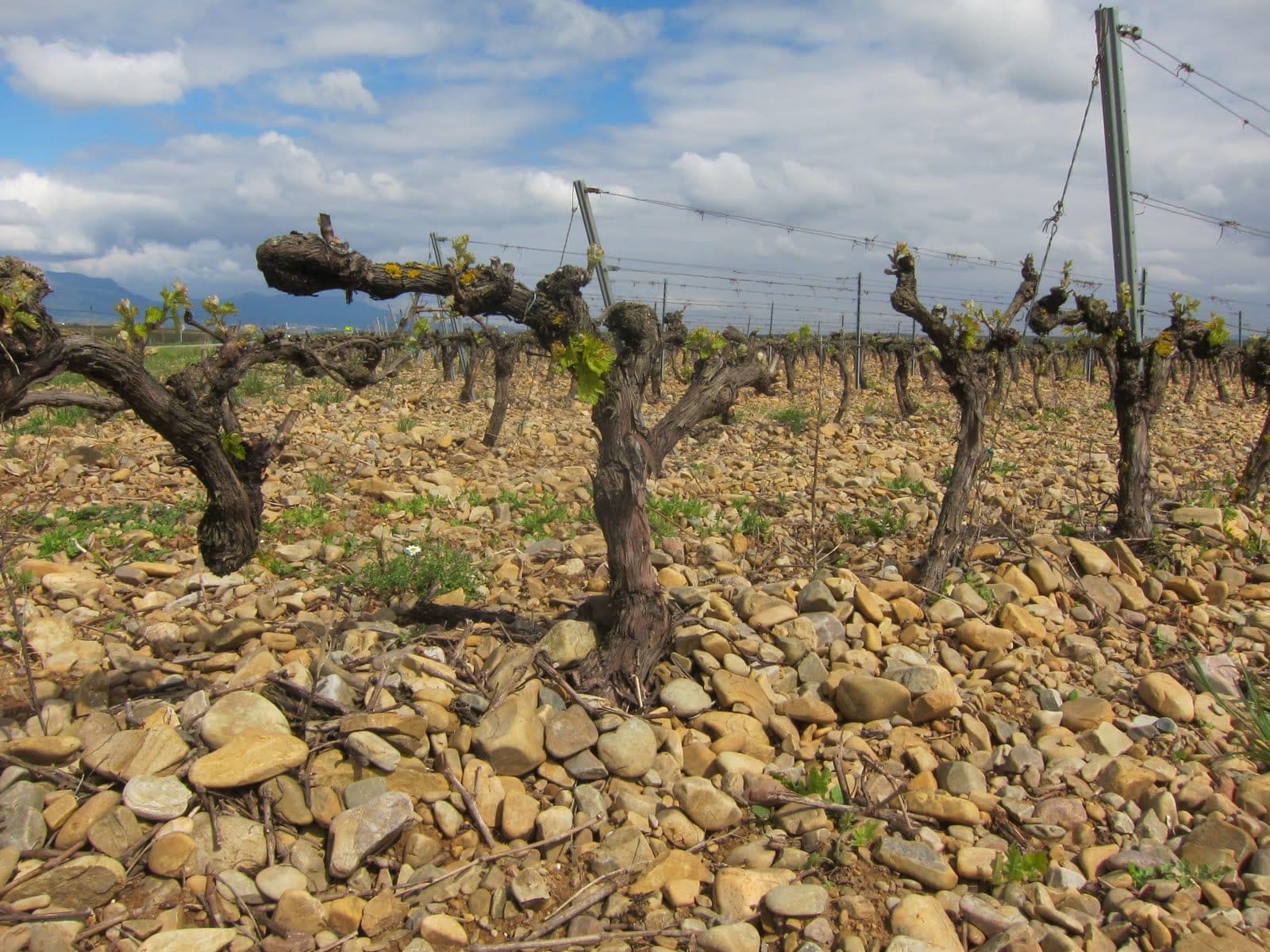
 Photo: Francisco Fernández Jiménez / Wikimedia Commons
Rioja Wine Region Guide
From crianza to gran reserva, Rioja transforms Tempranillo into Spain's most celebrated wines. Discover bodegas, wine routes, and the best villages to stay.
Key takeaways
- Rioja is Spain's most internally divided wine region — and that's exactly what makes it interesting. Traditionalists (López de Heredia, Muga, La Rioja Alta) age wines in American oak for 5–10 years, producing amber-tinted, coconut-and-vanilla Reservas and Gran Reservas unlike anything else in wine. Modernists (Artadi, Roda, Palacios Remondo) use French oak and shorter ageing for more Burgundy-influenced, terroir-driven wines. Same grape, same DO, completely different philosophies — the contrast is the visit.
- Haro's Barrio de la Estación is the most unusual wine district in Europe: four world-class bodegas — López de Heredia, Muga, La Rioja Alta, CVNE — within 800m of each other, all built beside the same railway station in the 1890s when Rioja was shipping wine to France (which had lost its own vineyards to phylloxera). Walking between them in 20 minutes, with appointments at two or three, is effectively impossible anywhere else for producers of this calibre.
- Rioja Alta (around Haro) and Rioja Alavesa (around Laguardia, politically in the Basque Country) contain almost all the famous estates; the two zones are 40 minutes apart and make excellent 3-day coverage. Rioja Oriental (the hotter eastern end, around Logroño and east) produces larger volumes at lower prices — worth one stop (Palacios Remondo is there) but does not need a dedicated day on a first visit.
- The Calle Laurel in Logroño — 200 metres with 40+ pintxos bars — is one of Spain's best eating streets and a natural evening destination regardless of where you're staying. Bar Soriano's sautéed mushroom pintxo (on a single slice of bread, one piece per customer) has been the same since the 1940s. Arrive at 1pm for lunch or 8pm for dinner; the window between those times is dead. Logroño is 30 minutes from Haro and 20 from Laguardia.
Where to Stay in Rioja
Make the most of your Rioja wine trip by staying in the heart of wine country. From luxurious vineyard estates to cozy B&Bs, find the perfect accommodation near world-class wineries.
Top areas to stay
- Haro€€
Barrio de la Estación with legendary bodegas within walking distance
- Laguardia€€-€€€
Walled medieval village with underground cellars
- Logroño€-€€
Calle Laurel tapas street, best nightlife in the region
Haro Wine Festival (June 29) and harvest festivals (Sep) are the most exciting times
Stay22
Compare Booking, Airbnb, Hotels.com and more in one search
Editorial pick
Best chateaux to visit in Rioja — top 10 picks 2026
Read the listicle →
Sample itinerary
3 days in Rioja — full day-by-day plan
Read the itinerary →
Where to stay
Where to stay in Rioja — best towns & wine-country hotels
Read the guide →
Vineyard hotels
Vineyard hotels in Rioja — 10 estates where you can stay
Read the guide →
Plan your visit: Plan your Rioja trip — free printable planner with bodega itinerary and daily costs.
Explore the Rioja Wine Map
Explore Rioja appellations, châteaux, and key towns on an interactive map.
Discover Rioja: Spain's Premier Wine Region
Rioja, nestled in northern Spain, is a wine lover's paradise. This legendary region boasts a rich winemaking history dating back over 2,000 years. Its picturesque landscapes of rolling hills and vineyards are dotted with charming medieval towns and state-of-the-art wineries.
Wine Regions
Towns and Villages
Rioja's towns and villages offer a glimpse into the region's rich cultural heritage. Haro, the wine capital, is known for its annual Batalla del Vino (Wine Battle). Laguardia, a walled medieval town, sits atop a hill with stunning vineyard views.
- Logroño: The regional capital, famous for its tapas bars on Calle Laurel

- San Vicente de la Sonsierra: Home to a 10th-century castle and church
- Elciego: Known for its futuristic Marqués de Riscal winery designed by Frank Gehry
Wine Producers
Rioja boasts over 600 wineries, ranging from small family-run bodegas to large international operations. Many offer tours and tastings, providing insight into the winemaking process.
- La Rioja Alta S.A.: Historic winery known for traditional-style reds
- Marqués de Riscal: Iconic producer with a luxury hotel and Michelin-starred restaurant
- Bodegas Muga: Family-run winery offering horse-drawn carriage tours through vineyards
- López de Heredia: One of the oldest wineries, famous for its long-aged whites
- CVNE (Compañía Vinícola del Norte de España): Historic producer with an on-site museum
Accommodations
Rioja offers a range of accommodations, from luxury wine hotels to charming rural guesthouses. Many properties are set among vineyards, offering unique wine-themed experiences.
- Hotel Marqués de Riscal: Luxury hotel designed by Frank Gehry in Elciego
- Finca de los Arandinos: Modern design hotel with vineyard views near Entrena
- Hotel Viura: Contemporary boutique hotel in the heart of Villabuena de Álava
- Hospedería de los Parajes: Charming hotel in a restored 16th-century building in Laguardia
- Echaurren Hotel Gastronómico: Family-run hotel with a two-Michelin-starred restaurant in Ezcaray
Dining
Rioja's culinary scene perfectly complements its wines. Traditional Riojan cuisine features hearty dishes like patatas a la riojana (potatoes with chorizo) and cordero asado (roast lamb).
- Echaurren: Two-Michelin-starred restaurant in Ezcaray, known for innovative Riojan cuisine

- Restaurante Venta Moncalvillo: Michelin-starred restaurant focusing on local, seasonal ingredients
- La Vieja Bodega: Traditional Riojan cuisine in a rustic setting in Casalarreina
- Asador Alameda: Famous for its wood-fired grilled meats in Fuenmayor
- Bar Soriano: Iconic mushroom pintxos bar in Logroño's Calle Laurel
Wine Shops & Bars
Rioja offers numerous venues to taste and purchase local wines. Many shops provide expert advice and tasting sessions.
- Lavinia (Logroño): Large wine shop with an extensive selection of Rioja wines
- Vinoteca Vinos del Mundo (Haro): Specializes in Rioja wines and offers tastings
- La Tavina (Logroño): Wine bar and shop with over 800 labels
- El Patio de San Nicolás (Laguardia): Cozy wine bar in a historic building
- Wine Fandango (Logroño): Modern wine bar with a wide selection of Rioja wines
Other Shops
Beyond wine, Rioja offers unique shopping experiences for local products and souvenirs.
- Mercado de San Blas (Logroño): Traditional market for local produce and specialties
- La Casa del Cofrade (Haro): Shop for wine-related accessories and gifts
- Conservas Arambarri (Logroño): Gourmet shop specializing in local preserves
- Almazara Ecológica de La Rioja (Alfaro): Organic olive oil producer and shop
Attractions
Rioja offers a blend of wine-related and cultural attractions.
- Vivanco Museum of Wine Culture (Briones): Extensive museum dedicated to wine history

- Dinastía Vivanco (Briones): Winery, museum, and restaurant complex
- Monasteries of Suso and Yuso (San Millán de la Cogolla): UNESCO World Heritage sites
- Castillo de Davalillo (San Asensio): 13th-century castle with panoramic views
- Calle Laurel (Logroño): Famous street for tapas crawling
Events
Rioja's calendar is packed with wine-related festivals and cultural events.
- Batalla del Vino (Haro, June): Annual wine fight festival
- Rioja Wine Harvest Festival (Logroño, September): Celebration of the grape harvest
- San Mateo Fiestas (Logroño, September): Week-long festival with wine tastings
- Haro Wine Festival (Haro, June): Wine-themed celebrations and tastings
- Actual Festival (Logroño, January): Contemporary music and arts festival
Appellations
Rioja's wine region is divided into three main zones, each with distinct characteristics.
- Rioja Alta: Known for elegant, lighter-bodied wines with higher acidity
- Rioja Alavesa: Produces full-bodied wines with good structure and aging potential
- Rioja Oriental (formerly Rioja Baja): Warmer climate resulting in riper, fuller-bodied wines
The region also has a quality hierarchy:
- Joven: Young wines with little to no oak aging
- Crianza: Aged for at least two years, with at least one year in oak
- Reserva: Aged for at least three years, with at least one year in oak
- Gran Reserva: Aged for at least five years, with at least two years in oak
Grape Varieties
Vine Cycle — Rioja
Full calendar →Rioja is Spain's most visitor-friendly harvest region. The Grape Harvest Festival (Fiesta de la Vendimia) features the grape-treading ceremony, wine fountains, and street parties in Logrono. Modern bodegas offer architectural tours year-round.
Rioja's wine landscape is dominated by Tempranillo, the region's flagship red grape. This variety thrives in Rioja's climate, producing wines with elegant structure and complex flavors.
Other important red grapes include:
- Garnacha (Grenache): Adds fruitiness and body
- Mazuelo (Carignan): Contributes acidity and tannins
- Graciano: Provides aroma and aging potential
For white wines, Rioja primarily uses:
- Viura (Macabeo): The main white grape, known for its freshness
- Malvasia: Adds aromatic complexity
- Garnacha Blanca: Contributes body and richness
Main Wine Styles
Rioja offers a diverse range of wine styles, each with unique characteristics:
- Joven: Young, fruity wines with minimal oak aging
- Crianza: Aged for at least two years, with six months in oak
- Reserva: Aged for at least three years, with one year in oak
- Gran Reserva: Aged for at least five years, with two years in oak
White Rioja wines range from fresh, unoaked styles to complex, barrel-fermented versions. Rosé (Rosado) wines are also produced, offering a refreshing alternative.
Food Specialties
Rioja's cuisine perfectly complements its wines. Local specialties include:
- Cordero al Chilindrón: Lamb stew with peppers and tomatoes
- Patatas a la Riojana: Potatoes with chorizo and peppers
- Pochas: Fresh white beans, often served with quail
- Pimientos del Piquillo: Sweet red peppers, often stuffed
Don't miss the region's excellent Idiazabal cheese, made from sheep's milk, which pairs beautifully with Rioja wines.
Drives & Walks
Explore Rioja's stunning landscapes through scenic drives and walks:
- Ruta del Vino: A wine route connecting major towns and wineries
- Sierra de Cebollera Natural Park: Offers hiking trails with breathtaking views
- Ebro River Valley: Drive along the river for picturesque vineyard vistas
For a unique experience, take a hot air balloon ride over the vineyards, offering a bird's-eye view of Rioja's terroir.
Itineraries
Plan your Rioja adventure with these suggested itineraries:
3-Day Wine Lover's Tour
- Day 1: Explore Haro and visit traditional wineries like La Rioja Alta and Muga
- Day 2: Tour modern wineries in Laguardia, such as Ysios and Marqués de Riscal
- Day 3: Discover Logroño's tapas scene and visit Dinastía Vivanco Wine Museum
5-Day Rioja Experience
- Days 1-2: Follow the 3-day itinerary above
- Day 3: Explore San Millán de la Cogolla and its UNESCO monasteries
- Day 4: Hike in Sierra de Cebollera and enjoy a picnic with local wines
- Day 5: Visit Calahorra for its Roman ruins and gourmet food market
These itineraries blend wine tasting with cultural experiences, showcasing Rioja's diverse offerings.
Getting There & Around
Rioja is easily accessible by various modes of transportation:
- By Air: Fly into Bilbao Airport (BIO) or Logroño-Agoncillo Airport (RJL)
- By Train: RENFE offers services to Logroño and Haro from major Spanish cities
- By Car: Rent a vehicle for flexibility in exploring wineries and villages
Within Rioja, a car is the most convenient way to visit wineries. Many towns are walkable, but taxis or ride-sharing services are available for shorter trips.
Best Time to Visit
Monthly Climate — Rioja
Full explorer →Rioja offers year-round appeal, but certain seasons have distinct advantages:
- Spring (April-June): Mild weather, fewer crowds, and beautiful vineyard landscapes
- Fall (September-November): Harvest season, wine festivals, and comfortable temperatures
- Summer (July-August): Warm weather, but can be crowded and hot
- Winter (December-March): Quieter season, ideal for cozy wine tastings and local experiences
Sustainability Efforts
Rioja is committed to sustainable wine production:
- Organic Vineyards: Many producers are adopting organic farming practices
- Water Conservation: Implementing drip irrigation and water recycling systems
- Biodiversity: Encouraging natural predators and cover crops in vineyards
- Energy Efficiency: Using solar power and gravity-flow systems in wineries
Look for wineries with certifications like Wineries for Climate Protection (WfCP) for eco-friendly options.
Language Tips
While English is spoken in many tourist areas, knowing some Spanish can enhance your experience:
- Vino tinto/blanco - Red/white wine
- Bodega - Winery
- Cata de vinos - Wine tasting
- Salud - Cheers
- Por favor/Gracias - Please/Thank you
Learning a few wine-related terms can help you navigate tastings and menus more confidently.
Further Resources
Enhance your Rioja wine knowledge with these resources:
- Official Rioja Wine Website: www.riojawine.com
- La Rioja Tourism: lariojaturismo.com
- Wines from Spain: winesfromspainusa.com
- Spanish Wine Lover: Online magazine with in-depth Rioja coverage
Consider downloading a Rioja wine app for on-the-go information about wineries and vintages.
The Three Riojas: Where to Go and Why
Rioja is not one region but three, each with a distinct personality shaped by climate, soil, and winemaking tradition. Getting clear on the differences before you arrive will save you time and get you to the right bodegas faster.
Rioja Alta — The Classical Heart
Rioja Alta sits west of Logrono, stretching toward the provincial capital of Haro. At 20,000 hectares it is the largest of the three zones by planted area, and it is where Rioja's most celebrated centenary bodegas are concentrated. The Atlantic influence moderates summer heat and brings reliable rainfall — grapes ripen slowly and hold their acidity. Soils are clay-limestone and alluvial, well-drained on slopes above the Ebro.
Dominant grape: Tempranillo, usually blended with Graciano and Mazuelo for structure and aromatics. Gran Reservas from this zone are the classics of Spanish wine — aged in American oak, with notes of red cherry, vanilla, and leather.
Best base: Haro. The Barrio de la Estacion (Station District) puts you within walking distance of Lopez de Heredia, Muga, CVNE, La Rioja Alta S.A., and Bodegas Roda — a density of historic bodegas found nowhere else in Spain.
Anchor winery: Lopez de Heredia (Haro). One of the most distinctive visits in Spain — an old-fashioned barrel hall with cobwebs deliberately preserved, and whites that age for a decade before release. Book several weeks ahead.
Rioja Alavesa — Small Parcels, Basque Soul
Rioja Alavesa is the smallest zone (around 13,000 hectares) and sits north of the Ebro river inside the Basque Country (Alava province). The Cantabrian mountains to the north act as a rain shadow in reverse — blocking cold Atlantic fronts and creating a slightly warmer, more sheltered microclimate than Rioja Alta. Soils are mostly clay-limestone on terraced hillsides; plots are small and fragmented.
Dominant grape: Tempranillo dominates, but winemakers here tend toward fresher, more structured styles with less reliance on extended oak ageing. The 2018 classification reform that introduced single-vineyard Vinedo Singular wines has gained traction in this zone.
Best base: Laguardia — a medieval walled hilltop village with an underground network of calados (wine cellars) carved beneath its streets. The old town is closed to cars; stay inside the walls for the best experience.
Anchor winery: Bodegas Ysios (near Laguardia). The undulating aluminium roof designed by Santiago Calatrava is as striking as the wine. Tasting fee EUR 20-35; pre-booking recommended.
Rioja Oriental — Garnacha Country
Formerly called Rioja Baja, Rioja Oriental is the largest and least-visited sub-region, running east toward Navarra and the Ebro delta. The Mediterranean influence here is pronounced — summers are hotter and drier, soils are more iron-rich clay and silt. This is where the big, ripe, alcoholic blending wines come from, and also where Garnacha performs best.
Dominant grape: Garnacha leads in the warmest sites, producing wines with dark fruit, spice, and high natural alcohol. Some producers here have pivoted to fresher, earlier-picked styles that show genuine promise.
Best base: Calahorra or Arnedo if you are exploring this zone, though most visitors use it as a day trip from Logrono. Production here tends toward industrial scale; a few boutique producers are worth seeking out.
Who this suits: Visitors interested in Garnacha at its most expressive, those traveling toward Navarra or Aragon, or anyone wanting to see the less-touristy face of Rioja.
Best Wineries to Visit in Rioja
Rioja has over 600 bodegas but only a fraction are genuinely visitor-ready. The eight below span the three sub-regions, cover a range of tasting fees, and give you a clear picture of the region's stylistic range — from grand old-school traditionals to modernist architectural icons.
Marques de Riscal — Elciego, Rioja Alavesa
Style: Classic Tempranillo-Graciano blends, aged in French and American oak. The Gran Reserva is the benchmark.
Tasting fee: EUR 30-70 depending on experience level. The Frank Gehry-designed hotel on site offers dining at 1860 Tradicion (Michelin-starred).
Booking: 2 weeks ahead for standard tours; 2-3 months for hotel and restaurant.
Why visit: The titanium-and-steel Gehry building is the most photographed structure in Rioja wine country. Even if you skip the restaurant, the architecture tour alone is worth the trip to Elciego.
Lopez de Heredia — Haro, Rioja Alta
Style: The most traditional producer in Rioja. Tempranillo-led reds aged for decades in American oak; whites (Vina Tondonia) released after 6-10 years in barrel and bottle.
Tasting fee: EUR 25, including wines from different vintages.
Booking: Essential — book several weeks ahead. The bodega limits daily visits to preserve the atmosphere.
Why visit: The spider-web-draped barrel hall is unlike any other winery in Europe. Staff take you through wines still maturing in casks — it is less a tasting than a time capsule.
Bodegas Muga — Haro, Rioja Alta
Style: Traditional oak-ageing with meticulous barrel selection. Muga makes its own barrels in-house — one of the few Rioja bodegas to do so. Prado Enea Gran Reserva is exceptional.
Tasting fee: EUR 25-45 depending on tier. Tours include the cooperage.
Booking: Check ahead — the bodega is closed on weekends to the public. Weekday visits require advance booking, typically 1-2 weeks.
Why visit: Seeing the cooperage in action is rare — most bodegas buy barrels. Muga gives you the full picture of traditional Rioja winemaking from grape to glass.
CVNE (Cune) — Haro, Rioja Alta
Style: Centenary bodega specialising in Gran Reserva Tempranillo. Imperial Gran Reserva is their flagship and one of the most collectible bottles in Rioja.
Tasting fee: EUR 20-40. Cellar tours included with premium tastings.
Booking: 1-2 weeks ahead recommended.
Why visit: CVNE is one of the Haro Station District originals (founded 1879). The cellars are vast and the Gran Reserva selection on the tasting flight is hard to beat for value.
Bodegas Roda — Haro, Rioja Alta
Style: Modernist Rioja — old-vine Tempranillo, lower yields, French oak rather than American. Roda I is the top wine; Cirsion is their ultra-premium single-vineyard bottling.
Tasting fee: EUR 35-60.
Booking: 1-2 weeks ahead.
Why visit: Roda represents the reformist wave that modernised Rioja in the 1990s. The tasting flight shows exactly how different French and American oak ageing taste side by side.
Bodegas Ysios — Laguardia, Rioja Alavesa
Style: Single-estate Tempranillo from Alavesa clay-limestone terraces. Fresh, structured style with less oak influence than Haro classics.
Tasting fee: EUR 20-35.
Booking: 1 week ahead; pre-booking strongly recommended in harvest season.
Why visit: Santiago Calatrava's undulating aluminium roof mirrors the Sierra de Cantabria ridgeline behind it. It is a genuine architectural spectacle, and the wines are seriously good.
Remirez de Ganuza — Samaniego, Rioja Alavesa
Style: Boutique grower style — old vines, minimal intervention, very low yields. Their Reserva and Gran Reserva punch above their modest output.
Tasting fee: EUR 40.
Booking: Essential — small operation, very limited visitor slots.
Why visit: The antithesis of industrial Rioja. Fernando Remirez de Ganuza is often present and the visit feels personal. Wine quality per euro is exceptional.
Contino — Rioja Alavesa
Style: Single-estate Tempranillo from a 62-hectare vineyard surrounding the winery — one of the first single-estate estates in Rioja. Elegant, age-worthy reds.
Tasting fee: EUR 30-50.
Booking: 1-2 weeks ahead.
Why visit: The setting — a fortified farmhouse surrounded by its own vines — shows you what Rioja looked like before architects arrived. Quiet, genuine, and consistently underrated.
Best Towns to Base Yourself in Rioja
Where you stay shapes everything: access to bodegas, food options, and the atmosphere you wake up to. Rioja's main bases each suit a different traveller.
Haro — The Wine Capital
Haro is the working centre of Rioja wine. The Barrio de la Estacion (Station District) — a cluster of seven centenary bodegas within 10 minutes walk of each other — makes it the only place in Spain where you can visit multiple historic producers in an afternoon without a car. The old town is small but well-supplied with wine bars and tapas spots. June brings the Batalla del Vino (Wine Battle), when residents and visitors drench each other in red wine — book accommodation 6 months ahead if you want to attend.
Laguardia — Medieval Walled Village
Laguardia sits on a low ridge above the Alavesa vineyards, its medieval walls intact and its streets closed to traffic. Beneath the town is a network of calados — ancient wine cellars cut directly into the rock, some still in use. The views over the vine-covered plain to the Sierra de Cantabria are exceptional. Ysios and Marques de Riscal are both within a short drive; the village itself has good restaurants and small guesthouses. Best base if you are prioritising atmosphere over bodega density.
Logrono — City Energy, Tapas Culture
Logrono is Rioja's regional capital — a proper city with a lively old quarter. Calle Laurel is the main event: a short street where each bar specialises in one signature pintxo. Bar Soriano's mushroom pintxo is locally famous; you'll pay EUR 1.50-2 per piece and move from bar to bar. Logrono has the best transport links (RENFE station, easiest airport access) and the widest hotel range. Less atmospheric than Laguardia but more practical for multi-day visits and for non-wine companions who want city life.
Elciego — One Star, One Reason
Elciego is a tiny village with a single compelling reason to visit: Marques de Riscal. Frank Gehry's titanium-clad hotel complex rises above the village in a collision of colour — deep pink, silver, and gold. If your budget allows (rooms from EUR 350/night), staying here is one of the great wine country experiences in Europe. Even without a booking, the Gehry building is worth a 30-minute detour from Laguardia.
Briones — Most Beautiful Village
Briones is classified as one of Spain's Most Beautiful Villages and sits above the Ebro river on a sandstone hill. Its main draw is Vivanco — a serious wine culture museum (4,000m2) with a Michelin-starred restaurant attached. The village itself is quiet; visit as a half-day trip from Haro or Logrono.
Understanding Rioja Wine Labels
Rioja's classification system is based on oak ageing time, not vineyard quality — which makes it unusual in the wine world and occasionally confusing at the winery shop. Here is what the labels actually mean.
Joven: No oak ageing, or minimal. Fresh, fruit-forward, meant for immediate drinking. Usually the cheapest option at a bodega; often served slightly chilled. Typical price at source: EUR 8-12.
Crianza: Minimum 2 years total ageing, with at least 1 year in oak barrel. This is the everyday Rioja red — more structure than Joven, with vanilla and light tannin from the barrel. Typically EUR 10-20 at source.
Reserva: Minimum 3 years total ageing, with at least 1 year in oak. Better raw material than Crianza — producers use this classification for their better lots. More complexity, more age-worthiness. Typically EUR 20-40 at a good bodega.
Gran Reserva: Minimum 5 years total ageing, with at least 2 years in oak. Only made in the best vintages. The long oak contact gives leather, tobacco, and dried fruit notes — these are wines that still develop in bottle for years. Typically EUR 40-100+ at source.
2018 reform — new categories: The DOCa introduced Vinedo Singular (single-vineyard wines), Village wines (municipio-level), and Regional wines — borrowing from the Burgundian hierarchy. Look for these on bottles from smaller, quality-focused producers in Alavesa.
Practical rule: buy Joven for the terrace, Crianza for dinner, Reserva to bring home, Gran Reserva for a serious occasion. At a bodega tasting, work through the classifications in order — the jump from Crianza to Gran Reserva in the same house shows you exactly what time in barrel does.
Getting to Rioja
Rioja sits in northern Spain between Bilbao and Zaragoza. The logistics are straightforward but one point is non-negotiable: you need a car to visit most bodegas. Public transport connects the major towns but stops at the edge of town — no bus runs to Ysios, Lopez de Heredia, or Remirez de Ganuza.
By Air
Vitoria (VIT): 40 minutes to Haro; served by Ryanair and Vueling. Smaller airport, cheaper fares from some European cities. Best option if Rioja Alta is your main focus.
Bilbao (BIO): 80 minutes to Haro; served by Vueling, easyJet, Iberia, and Lufthansa. Better connections from the UK, Germany, and northern Europe. If you are combining Rioja with Bilbao (Guggenheim, Basque food), this is the logical hub.
By Train
RENFE connects Madrid to Logrono in 3 hours 30 minutes (with a change at Zaragoza on most services). From Barcelona allow 4-5 hours. The Haro station is in the Barrio de la Estacion — unusually convenient if that district is your first stop. Train is viable for reaching Logrono or Haro but useless for the bodegas themselves.
By Car — Recommended
Driving from Bilbao takes around 90 minutes on well-maintained motorways (A-68). From Madrid allow 3-3.5 hours (N-232/A-12 via Zaragoza). Roads throughout Rioja are good and the wine routes are well-signed. Rental desks are at both Bilbao and Vitoria airports. Pick up at the airport, return to a city station if you end the trip in Logrono or Bilbao.
If you are based in Haro, the Station District bodegas are walkable — you can do Lopez de Heredia, Muga, CVNE, and Roda without moving the car. For Laguardia and Alavesa wineries, a car is essential.
Rioja Wine Travel: Frequently Asked Questions
How do I get to Rioja from the UK or northern Europe?
Fly to Bilbao (BIO) with easyJet, Vueling, or Iberia, then drive 80 minutes. Alternatively, fly to Vitoria (VIT) with Ryanair for a 40-minute drive to Haro. Budget around EUR 30-50 per day for a small car rental. Do not count on reaching bodegas without a car.
How many days do I need in Rioja?
2 days is the minimum: one day for Haro (Station District bodegas) and one for Laguardia and Alavesa. 3 days is the comfortable choice — adds Logrono's Calle Laurel evening and time to visit Briones (Vivanco) or Elciego (Marques de Riscal). If you are combining Rioja with Bilbao or San Sebastian, 2 nights in the region works well mid-trip.
Do I need to book winery visits in advance?
It depends on the bodega. Lopez de Heredia and Remirez de Ganuza require advance booking — sometimes weeks ahead. Marques de Riscal requires booking for the hotel and restaurant (months ahead) but the winery tour can often be arranged with 1-2 weeks notice. CVNE, Muga, and Bodegas Roda benefit from 1-2 weeks advance notice. Smaller, family-run bodegas in Alavesa are often happy with walk-ins outside harvest season (September-October).
What is the Batalla del Vino?
The Batalla del Vino (Wine Battle) takes place in Haro on the feast day of San Pedro, typically in late June. Participants drench each other with red wine using everything from water pistols to hoses. Around 100,000 litres of wine are used over the course of the morning. It is a genuine local festival rather than a tourist event — but it draws large crowds. Book accommodation 6 months in advance if you want to attend.
When is the best time to visit Rioja?
May-June and September-October are the sweet spots. Spring offers mild temperatures and green vineyards without summer crowds. September is harvest — bodegas are at their most active and the countryside is golden. October brings calmer bodegas and easier bookings. Summer (July-August) is hot and can be crowded around Laguardia. December-February is quieter and cheaper; some bodegas reduce opening hours.
Is Rioja only Tempranillo?
No. Tempranillo dominates the red wines but Garnacha is significant in Rioja Oriental, and Graciano and Mazuelo appear in most traditional Gran Reserva blends. On the white side, Viura (Macabeo) is the main grape — ranging from fresh unoaked styles to heavily barrel-fermented wines that age like white Burgundy. Malvasia and Garnacha Blanca are also permitted. The 2018 reform opened the door to Maturana Blanca and other historic local varieties.
What does Gran Reserva actually taste like?
Classic Rioja Gran Reserva from Haro producers using American oak tastes of red cherry, dried plum, vanilla, coconut, leather, and — with real age — tobacco and earthy notes. The tannins are well-resolved after 5+ years in barrel and bottle. It is a gentler, more perfumed style than Ribera del Duero. Producers using French oak (Roda, Contino) lean toward darker fruit and less vanilla.
What food is Rioja famous for?
The regional benchmarks: Chuletillas al sarmiento (baby lamb chops grilled over vine cuttings — the most Riojan dish possible), Patatas a la riojana (potatoes with chorizo and piquillo peppers), Pimientos del piquillo rellenos (sweet peppers stuffed with salt cod or meat), and Pochas con codorniz (fresh white beans with quail). On Calle Laurel in Logrono, each bar specialises in one signature pintxo — Bar Soriano's mushroom pintxo is the most famous. Budget EUR 1.50-2 per pintxo.
Rioja Beyond the Bodegas
Wine is the obvious reason to visit, but Rioja rewards travellers who look beyond the bodegas. The region sits at the intersection of Castilian, Basque, and Navarran cultures, and that layering shows in its food, architecture, and history.
Logroño is the regional capital and the best base. Calle Laurel and the adjacent Calle San Juan make up one of Spain's finest pintxos strips — comparable to San Sebastián's Parte Vieja and considerably less crowded. Each bar specialises in a signature pintxo, typically priced at €1–2. Go between 7pm and 9pm when the bars are full and the pintxos are freshest. Bar Soriano's mushroom-and-prawn pintxo is the most replicated in the city; the queue is always worth it.
Haro, 45 minutes west of Logroño, is where the great traditional bodegas cluster. The Barrio de la Estación — the railway station district — contains eight historic wineries within walking distance of each other: CVNE, López de Heredia, Muga, La Rioja Alta, and others. The 19th-century architecture of the bodegas themselves is worth seeing even for non-wine visitors. Haro's compact historic centre, with its arcaded Plaza de la Paz, adds another hour.
Laguardia is arguably the most visually dramatic stop in the region. This medieval walled village sits on a ridge above the Ebro plain in Rioja Alavesa — technically Basque Country, though the wine is Rioja DOCa. Beneath the streets, an entire network of underground bodegas was carved into the hill over centuries; several are still in use. Views from the walls over the plain and, on clear days, to the Sierra Cantabria range are exceptional. Allow two hours.
For a half-day excursion from Logroño: San Millán de la Cogolla (45 minutes south) holds two UNESCO-listed monasteries — Suso and Yuso. Suso, the older of the two, contains 10th-century manuscripts considered the earliest written records of both the Castilian Spanish and Basque languages. It is a remarkable place for anyone interested in linguistics or Iberian history, and almost completely off the standard tourist circuit.
Back in Logroño, the Museo de La Rioja covers 5,000 years of regional history and is free to enter. And while the Marqués de Riscal hotel in Elciego — Frank Gehry's titanium-clad landmark — was designed for guests, day visitors are welcome to walk the grounds, tour the bodega, and eat at the restaurant. The architecture alone (it opened in 2006 and still looks like nothing else in Spain) makes the detour worthwhile.
Practical note: a rental car is essential for reaching Laguardia, San Millán, and the smaller bodegas. Logroño has good rail connections to Madrid (3 hours) and Bilbao (1.5 hours), making it easy to pair Rioja with a broader northern Spain itinerary.
Booking Bodega Visits: What Every First-Timer Gets Wrong
The single most common mistake visitors make in Rioja is assuming that the region's famous openness to tourism means walk-in tasting is the norm. It is not — at least not at the bodegas that matter most. López de Heredia, Artadi, and Roda all require appointments booked six to eight weeks ahead during high season (May through October), and contact in Spanish is strongly preferred for all three. Muga, La Rioja Alta, and CVNE operate online booking systems with shorter lead times — typically one to two weeks — but still fill up, particularly on Friday and Saturday mornings in summer. Walk-in is genuinely possible only at a handful of large commercial estates: Marqués de Riscal's main tasting room in Elciego, Ysios in Laguardia (when not fully pre-booked), and Bodegas Bilbaínas in Haro. The Haro Barrio de la Estación — the main reason most serious wine visitors come to Rioja — has no walk-in culture at all. Every bodega in that cluster (Muga, La Rioja Alta, CVNE, Bodegas Bilbaínas, López de Heredia) requires advance notice.
Midi closure is universal in Rioja, even at major commercial estates. Standard tasting hours run 9am to 2pm and 4pm to 7pm; arriving at 2:30pm means waiting until 4pm at the earliest. In the Rioja Alavesa villages — Laguardia, Elciego, Samaniego — the Basque lunch culture means closures run longer, with some bodegas not reopening until 4:30pm or 5pm. The practical implication: plan winery visits for morning sessions only during summer months, and treat the 2pm to 4pm window as a fixed lunch stop in Haro or Laguardia rather than a driving time. Bodega tour formats typically run 60 to 90 minutes and cover the barrel hall, fermentation area, and bottle cellar before ending with a structured tasting of three to five wines. Most offer the tour in Spanish by default; English-language tours are available at Muga, La Rioja Alta, CVNE, and Marqués de Riscal, usually at set times rather than on demand.
Calle Laurel: Rioja's Essential Pintxos Street
Logroño's Calle Laurel and its adjacent streets — Calle San Juan and Calle Travesía de Laurel — form a 200-metre strip of 40-plus pintxos bars where Rioja's wine culture meets Basque food culture head-on. The format is fixed: each bar displays its house pintxo on the counter for €1.50 to €2.50, and wine arrives in short glasses called chatos for €1.20 to €2. You stand, eat, pay, and move on. No reservations, no menus, no table service. The strip is entirely pedestrianised and functions as the city's social spine — locals use it for lunch (1pm start) and dinner (8pm start), and the energy between those windows collapses. Arriving at 5pm to find most bars shuttered and the street empty is a reliable first-visitor mistake.
The essential stops: Bar Soriano has served a single pintxo — a sautéed mushroom cap on a square of bread with a prawn — since the bar opened in the 1940s. The queue often extends to the street by 1:15pm. The Soriano mushroom is the most reproduced image of Logroño pintxos culture for a reason: it is genuinely good and has not changed. Blanco y Negro serves the best tortilla pintxo on the strip alongside txakoli poured in the traditional Basque style, held high for oxidation. El Jubilado is the stop for anchovies — Cantabrian, well-sourced, nothing elaborate. La Mejillonera does one thing: mussels, in a half-dozen preparations, with local Rioja Blanco by the glass. The rhythm for a crawl is 45 to 60 minutes and four or five stops; the natural sequence runs from the eastern end of Calle Laurel toward Travesía, hitting Soriano first before it fills up.
Logroño is a practical base for both wine zones: 30 minutes by car from Haro, 20 minutes from Laguardia in the Rioja Alavesa. The city itself is large enough to offer hotel variety at lower prices than the boutique options in wine-village accommodation, and the pintxos strip gives it a genuine evening character that smaller villages lack. Friday and Saturday evenings between 8:30pm and 10pm are the most crowded — elbow-to-elbow with Logroño residents doing exactly what visitors are doing, which is part of the point. Midweek evenings are quieter and easier to navigate without queuing. Pairing note: the local pour on Calle Laurel is almost always Rioja Joven or Rioja Crianza by the glass rather than Reserva or Gran Reserva — cheap, fruit-forward, designed to refresh between bites, not to be evaluated.
Cycling Through Rioja's Wine Country
Two main cycling options exist in Rioja, suited to different fitness levels and ambitions. The Vía Verde del Cidacos runs 38km from Calahorra to Arnedo on a converted railway line — paved, completely flat, and accessible to any fitness level. The route passes through the eastern Rioja Oriental zone, the warmest and driest part of the appellation, where Garnacha dominates on the red-clay soils. Bike hire is available in Calahorra at the trailhead. This is the better option for families or casual cyclists: no hills, no traffic, a manageable half-day out-and-back, and the olive groves and vineyards of the eastern zone make for a different landscape than the Ebro valley wine villages most visitors see. The Haro–Briones–San Vicente de la Sonsierra corridor — roughly 25km one-way along the valley floor between the Ebro and the Sierra de Cantabria foothills — is an informal but established route connecting Rioja Alta wine villages with a largely flat profile. There is no dedicated bike hire in Haro town centre; some accommodation provides bikes, and it is worth asking at the tourist office on Plaza de la Paz.
E-bike hire is available in Logroño from multiple operators, which makes the terrain between Logroño and the Rioja Alavesa accessible to a wider range. The Rioja Alavesa slopes above Laguardia — the ridge line running from Samaniego to Elciego — are steep enough to make cycling a serious undertaking on a standard bike; the same routes are better suited to walking. Vineyard terrain in all zones is largely open rather than trail-marked: roadside cycling with traffic is the standard experience between villages rather than dedicated vineyard paths. The contrast with, say, Alsace or the Mosel is significant — Rioja does not have a signposted cycling route running through the vineyards in the way the Route du Vignoble or Moselradweg do. What it offers is good flat-to-rolling terrain on quiet B-roads between well-spaced wine villages, which is enjoyable for confident road cyclists comfortable navigating with a basic map rather than trail markers.
The Camino de Santiago Through Rioja
The Camino Francés — the most-walked route of the Camino de Santiago, taken by roughly 60% of pilgrims completing the journey to Santiago de Compostela — passes directly through La Rioja on its westward path. Pilgrims enter the region from Navarra and arrive in Logroño on Day 7 from Saint-Jean-Pied-de-Port, making the city the first major urban stop after crossing the Pyrenees. From Logroño, the route continues through Nájera (Day 8) and Santo Domingo de la Calzada (Day 9) before crossing into Castilla y León. Logroño's pilgrim infrastructure is outstanding by any standard: the city has been receiving Camino walkers for 900 years and the municipal albergue on Rúa Vieja, the private hostels on the surrounding streets, and the pilgrim stamp points are all well-managed. Calle Laurel is six minutes' walk from the route's main thoroughfare, making it the most immediately accessible pintxos stop on the entire Camino.
For wine visitors who want to walk a day-stage without committing to the full pilgrimage: the Logroño to Nájera section (28km) is the most accessible. It passes through Navarrete, a traditional Rioja Alta wine village with a 16th-century church and several small bodegas that are walkable from the route — the kind of stop that is invisible from a car but obvious on foot. Non-pilgrims can walk any Camino section without a credencial (pilgrim passport), though the credential unlocks the stamp system and albergue access. The Camino thread is a content differentiator that most Rioja wine guides ignore entirely: the region sits at the intersection of wine tourism and one of Europe's most walked long-distance routes, and the pilgrim and wine-tourist populations overlap more than either assumes.
How Bordeaux Shaped Rioja Wine
In the 1850s and 1860s, phylloxera was destroying French vineyards at a pace that threatened the entire Bordeaux wine trade. Négociants crossed the Pyrenees looking for bulk wine to fill their warehouses, and they found it in the Rioja valley. The French merchants did not arrive empty-handed: they brought their barrel-ageing methods with them. The use of 225-litre Bordeaux barriques for red wine maturation was not traditional Rioja practice before this period. Rioja's defining characteristic today — long oak ageing in small barrels, with the resulting vanilla and coconut notes from American oak that still define Crianza, Reserva, and Gran Reserva — was substantially adopted from those decades of French commercial presence. The timing was precise: the period of French influence in Rioja runs roughly 1850 to 1900, exactly the decades during which the ageing classifications we now recognise were established.
The Haro Barrio de la Estación is the physical record of this history. The railway station — built to connect Haro to Bilbao and the northern ports — enabled rapid shipment of wine north to France, and the major bodegas founded in the late 1800s all located within walking distance of the station to use it. La Rioja Alta (founded 1890), CVNE (1879), Muga (1932, but on the site of an earlier bodega), López de Heredia (1877), and Bodegas Bilbaínas (1901) were all built in the Barrio de la Estación specifically because the railway was the logistics infrastructure of the wine trade. When phylloxera eventually reached Spain in the early 1900s and destroyed many of those French-influenced vineyards, the barrel-ageing tradition was already embedded in Rioja's production culture — outlasting the crisis that had created the trade in the first place. Today the French connection is barely visible in Rioja itself. The bodegas in the Barrio de la Estación present themselves as thoroughly Spanish institutions, which they are. But the barrel-ageing orthodoxy that distinguishes Rioja from every other Spanish wine region was exported south across the Pyrenees during a 50-year window when Bordeaux needed wine and Rioja needed buyers.
Best for
- Gran Reserva Tempranillo collectorsLópez de Heredia's Viña Tondonia Gran Reserva is released with 15+ years of ageing behind it — currently selling the 2004 vintage as of 2025. La Rioja Alta's 890 and 904 Gran Reservas are aged far beyond legal minimums. These wines have no equivalent anywhere else in Spain or Europe: the style of oxidative, American-oak-aged Tempranillo this old is unique to Rioja's traditional houses and requires a visit to understand fully. The bodegas are the museums.
- Architecture and design enthusiastsThree of Spain's most photographed winery buildings are within an hour of Logroño: Marqués de Riscal in Elciego (Frank Gehry's titanium-ribbon hotel, 2006), Ysios in Laguardia (Santiago Calatrava's corrugated aluminium roof echoing the mountains behind, 2001), and López de Heredia's tasting pavilion in Haro (Zaha Hadid's glass-and-steel wine-decanter structure). A Rioja visit can reasonably be organised around these buildings with wine as the complement.
- Food-first travellers wanting great wine as a backdropThe Calle Laurel in Logroño, Haro's old town restaurants, and the restaurant at Marqués de Riscal (by Francis Paniego, one Michelin star) give Rioja more dining depth per square kilometre than any other Spanish wine region. The pintxos culture from neighbouring Basque Country bleeds into Rioja Alavesa — Laguardia's bar scene is disproportionately good for a town of 1,600. You can eat extremely well here without planning around wine at all.
- First-time Spanish wine visitorsRioja has the best visitor infrastructure of any Spanish wine region: major bodegas with online booking systems (no need for Spanish), English-speaking staff at Marqués de Riscal, Muga, La Rioja Alta, CVNE, and Ysios, a concentration of hotels in Haro and Laguardia within 40 minutes of each other, and proximity to Bilbao Airport (1 hour) which has multiple daily flights from the UK and Northern Europe. The architecture wineries are genuinely spectacular even without wine knowledge as an entry point.
Getting There
VIT — Vitoria (Foronda)
40min drive
3h30 from Madrid by train (with change in Zaragoza)
limitedCar rental recommended
Where to Eat
Spanish — Riojan
- €€€€
Marqués de Riscal — 1860 Tradición
fine dining
- €€€
Gastro El Portal — Bodegas Vivanco
winery restaurant
Where to Stay in Rioja
- Haro€€
Barrio de la Estación with legendary bodegas within walking distance
- Laguardia€€-€€€
Walled medieval village with underground cellars
- Logroño€-€€
Calle Laurel tapas street, best nightlife in the region
Haro Wine Festival (June 29) and harvest festivals (Sep) are the most exciting times
Stay22
Tours & Experiences
Rioja, Spain
Haro Barrio de la Estación tour
Walk between legendary bodegas — López de Heredia, Muga, CVNE
Modern Rioja architecture & wine
Visit Gehry's Marqués de Riscal, Calatrava's Ysios, and Hadid's López de Heredia pavilion
Wine Experiences
Visiting Wineries
Rioja has excellent wine tourism infrastructure. Many bodegas have dedicated visitor centres, some with restaurant and museum experiences. Well-known bodegas (CVNE, Roda, Marqués de Riscal) benefit from advance booking. Smaller family producers often welcome walk-ins.
Book ahead: 1–2 weeks for premium bodegas · Top estates: Marqués de Riscal hotel/dining: 2–3 months. Standard tasting tours: 1–2 weeks.
Planning tools & local info
Best for
- Gran Reserva Tempranillo collectorsLópez de Heredia's Viña Tondonia Gran Reserva is released with 15+ years of ageing behind it — currently selling the 2004 vintage as of 2025. La Rioja Alta's 890 and 904 Gran Reservas are aged far beyond legal minimums. These wines have no equivalent anywhere else in Spain or Europe: the style of oxidative, American-oak-aged Tempranillo this old is unique to Rioja's traditional houses and requires a visit to understand fully. The bodegas are the museums.
- Architecture and design enthusiastsThree of Spain's most photographed winery buildings are within an hour of Logroño: Marqués de Riscal in Elciego (Frank Gehry's titanium-ribbon hotel, 2006), Ysios in Laguardia (Santiago Calatrava's corrugated aluminium roof echoing the mountains behind, 2001), and López de Heredia's tasting pavilion in Haro (Zaha Hadid's glass-and-steel wine-decanter structure). A Rioja visit can reasonably be organised around these buildings with wine as the complement.
- Food-first travellers wanting great wine as a backdropThe Calle Laurel in Logroño, Haro's old town restaurants, and the restaurant at Marqués de Riscal (by Francis Paniego, one Michelin star) give Rioja more dining depth per square kilometre than any other Spanish wine region. The pintxos culture from neighbouring Basque Country bleeds into Rioja Alavesa — Laguardia's bar scene is disproportionately good for a town of 1,600. You can eat extremely well here without planning around wine at all.
- First-time Spanish wine visitorsRioja has the best visitor infrastructure of any Spanish wine region: major bodegas with online booking systems (no need for Spanish), English-speaking staff at Marqués de Riscal, Muga, La Rioja Alta, CVNE, and Ysios, a concentration of hotels in Haro and Laguardia within 40 minutes of each other, and proximity to Bilbao Airport (1 hour) which has multiple daily flights from the UK and Northern Europe. The architecture wineries are genuinely spectacular even without wine knowledge as an entry point.
Getting There
VIT — Vitoria (Foronda)
40min drive
3h30 from Madrid by train (with change in Zaragoza)
limitedCar rental recommended
Where to Eat
Spanish — Riojan
- €€€€
Marqués de Riscal — 1860 Tradición
fine dining
- €€€
Gastro El Portal — Bodegas Vivanco
winery restaurant
Where to Stay in Rioja
- Haro€€
Barrio de la Estación with legendary bodegas within walking distance
- Laguardia€€-€€€
Walled medieval village with underground cellars
- Logroño€-€€
Calle Laurel tapas street, best nightlife in the region
Haro Wine Festival (June 29) and harvest festivals (Sep) are the most exciting times
Stay22
Tours & Experiences
Rioja, Spain
Haro Barrio de la Estación tour
Walk between legendary bodegas — López de Heredia, Muga, CVNE
Modern Rioja architecture & wine
Visit Gehry's Marqués de Riscal, Calatrava's Ysios, and Hadid's López de Heredia pavilion
Wine Experiences
Visiting Wineries
Rioja has excellent wine tourism infrastructure. Many bodegas have dedicated visitor centres, some with restaurant and museum experiences. Well-known bodegas (CVNE, Roda, Marqués de Riscal) benefit from advance booking. Smaller family producers often welcome walk-ins.
Book ahead: 1–2 weeks for premium bodegas · Top estates: Marqués de Riscal hotel/dining: 2–3 months. Standard tasting tours: 1–2 weeks.
Explore Wine Regions in Rioja
Rioja Alavesa Wine Travel Guide (Rioja, Spain)
Rioja Alavesa, nestled in the Basque Country of northern Spain, offers a captivating blend of rich winemaking history an
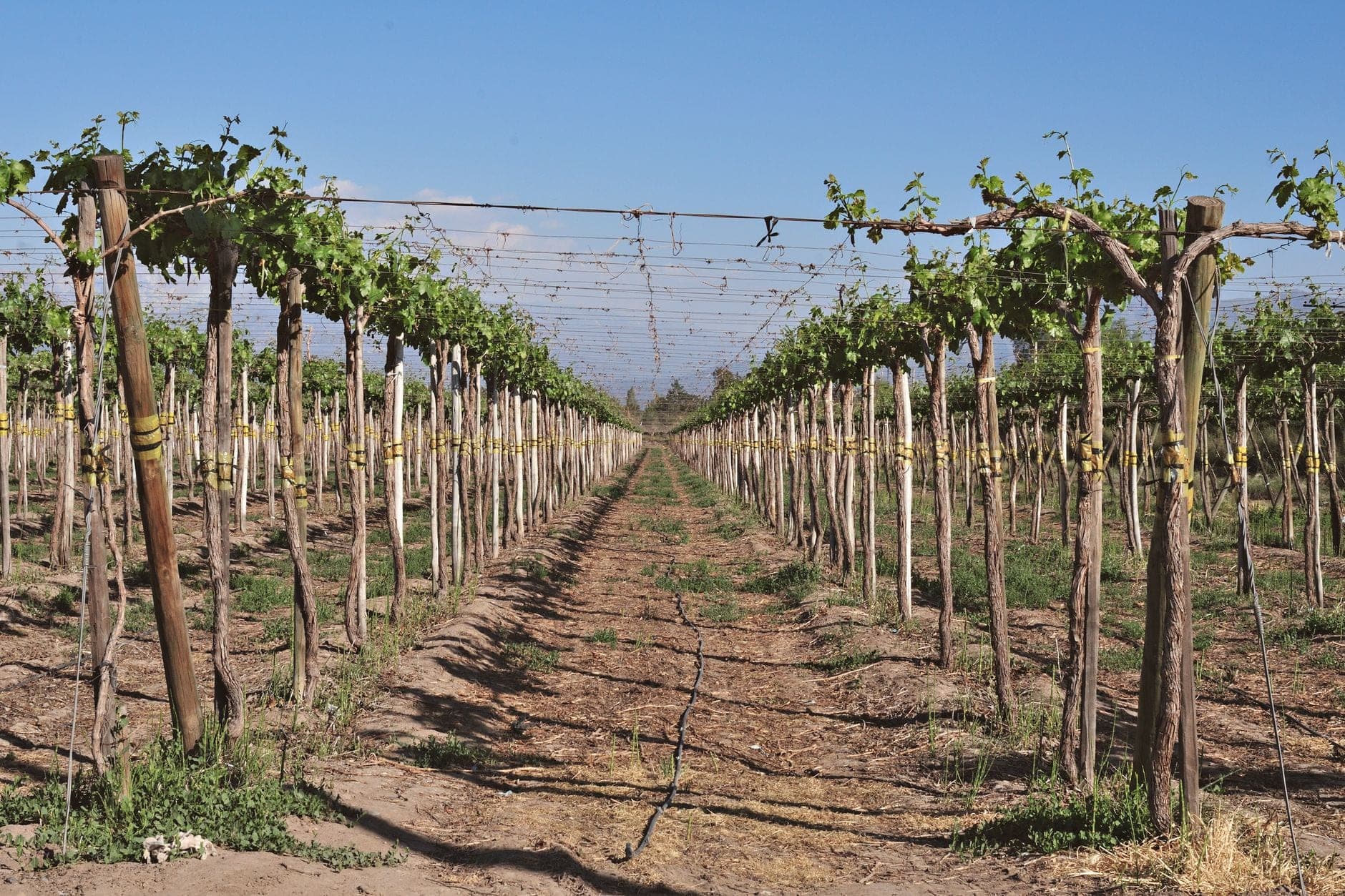
Rioja Alta Wine Travel Guide (Rioja, Spain)
Rioja Alta, nestled in northern Spain, is a wine lover's dream. This region boasts centuries-old winemaking traditions a
Rioja Oriental Wine Travel Guide (Rioja, Spain)
Rioja Oriental, formerly known as Rioja Baja, is the easternmost subregion of La Rioja, Spain's renowned wine country. T
Best Time to Visit Rioja
June-September
September-October
High during San Mateo festival (Sep), moderate otherwise
Average Monthly High (°C)
Moderate (450mm/year)Wines of Rioja
Key grape varieties and wine styles produced in the region
Primary Grape Varieties
Wine Styles
Food & Dining in Rioja
Spanish — RiojanMust-Try Dishes
- Chuletillas al sarmiento
- Patatas a la riojana
- Pimientos del piquillo rellenos
Where to Eat
- €€€€
Marqués de Riscal — 1860 Tradición
Michelin-starred dining in the Gehry-designed Hotel Marqués de Riscal, Elciego
- €€€
Gastro El Portal — Bodegas Vivanco
Michelin-starred restaurant at the Vivanco wine culture museum in Briones
Calle Laurel is walk-in. Book winery restaurants and starred places 1+ week ahead.
Where to stay in the vineyard
Sleep among the vines — our pick of vineyard hotels and estate stays in Spain.
View Spain vineyard hotelsUpcoming Wine Festivals in Spain
See all festivalsHidden Gems Nearby
Discover more hidden gemsClos Mogador
WTG PickPriorat, Spain
One of Priorat's founding five estates, perched on terrifying slate terraces that you can walk through with the winemaker himself.
Grenache · Carignan · Syrah
Envínate
WTG PickCanary Islands, Spain
Pre-phylloxera vines on a volcano at 1,700 metres — Spain's most exciting young winemakers in the most unlikely of locations.
Listán Negro · Listán Blanco
Bodegas Forjas del Salnés
Galicia, Spain
Single-vineyard Albariños that prove this grape belongs in the conversation with great white Burgundy, from a quiet Galician village.
Albariño
Continue Exploring
Did You Know?
500+wineries
operating across the three Rioja sub-zones
65,000hectares
of vineyard planted, Spain's largest DOCa
800+years
of continuous winemaking history in Rioja
1,500metres
maximum vineyard altitude in Sierra Cantabria foothills
Ready to visit Rioja?
Build your personalised day-by-day itinerary — choose your travel style and trip length, get accommodation and tour picks per day, and email it to yourself to take along.
Plan Your Visit to Rioja
Tours & Experiences via GetYourGuide
This page contains affiliate links. We may earn a commission at no extra cost to you.