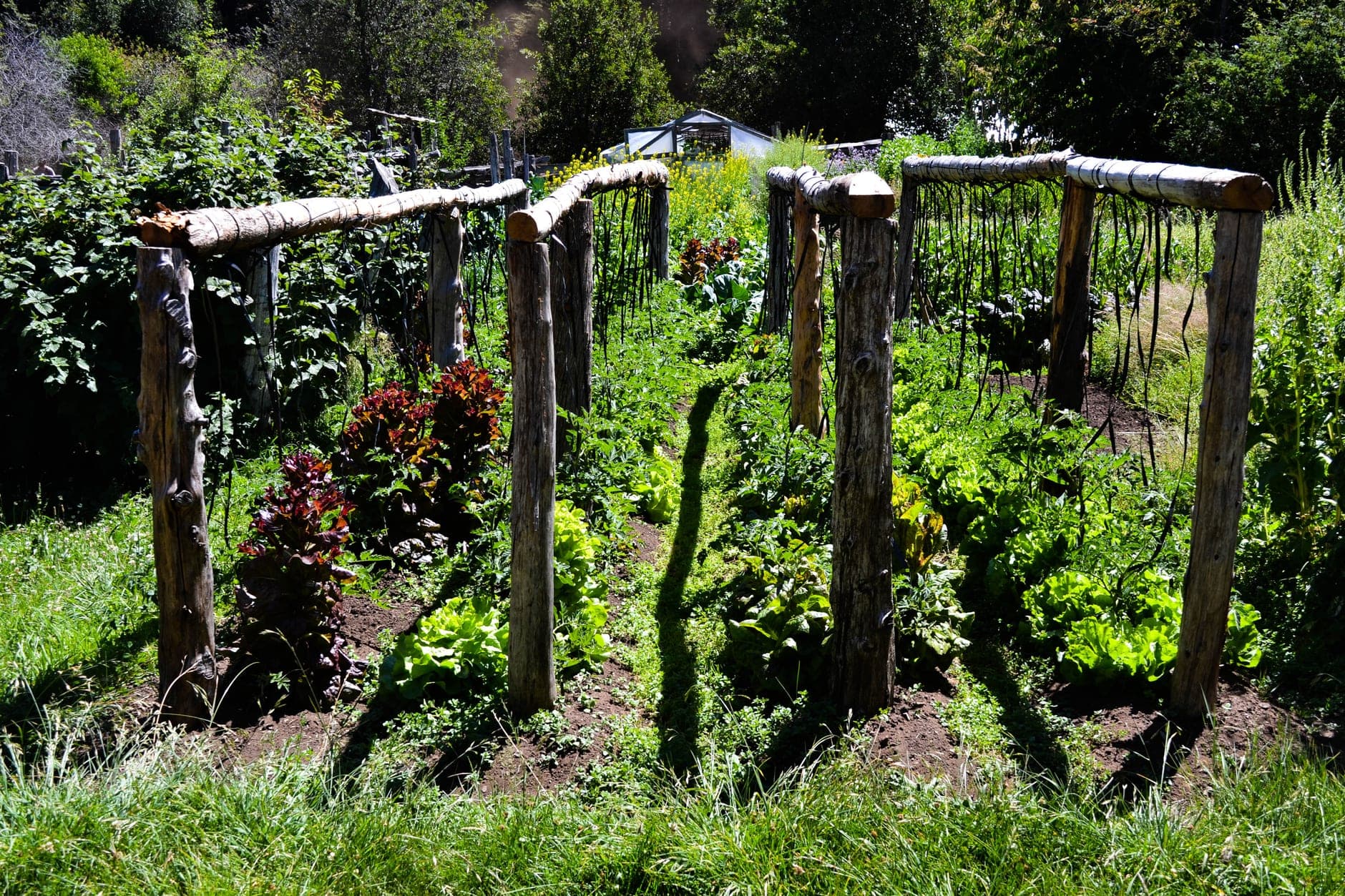
 Photo: TitiNicola / Wikimedia Commons
Río Negro Wine Travel Guide Wine Region Guide
Nestled in Argentina's northern Patagonia, Río Negro is an emerging wine region known for its cool-climate wines. This area combines rugged landscapes with inno
Where to Stay in Río Negro
Make the most of your Río Negro wine trip by staying in the heart of wine country. From luxurious vineyard estates to cozy B&Bs, find the perfect accommodation near world-class wineries.
- Hotels near top wineries
- Charming vineyard B&Bs
- Vacation rentals and villas
- Free cancellation on most bookings
Stay22
Compare Booking, Airbnb, Hotels.com and more in one search
Discover Río Negro: Patagonia's Wine Frontier
Nestled in Argentina's northern Patagonia, Río Negro is an emerging wine region known for its cool-climate wines. This area combines rugged landscapes with innovative viticulture, offering wine enthusiasts a unique tasting experience.
Towns and Villages
General Roca serves as the region's wine capital, hosting several wineries and the annual Fiesta Nacional del Vino de la Patagonia. Cipolletti offers a blend of urban amenities and proximity to vineyards, making it an ideal base for wine tours.
Must-Visit Locations:
- Viedma: The provincial capital, offering cultural attractions
- Villa Regina: Known for fruit production and boutique wineries
- Allen: Home to some of the region's oldest vineyards
Wine Producers
Río Negro's wineries range from small, family-run operations to larger, innovative producers. Many offer tours and tastings, providing insight into Patagonian winemaking techniques.
Notable Wineries:
- Bodega Humberto Canale: Pioneering winery known for its Pinot Noir and Merlot
- Bodega Chacra: Specializes in biodynamic Pinot Noir
- Bodega Noemía: Produces high-end Malbec from old-vine vineyards
- Bodega Aniello: Offers a range of varietals, including unique blends
Accommodations
Río Negro offers a variety of lodging options, from wine-themed hotels to rustic estancias. Many accommodations provide easy access to wineries and stunning Patagonian landscapes.
Recommended Stays:
- Hotel Viñas del Nant y Fall (General Roca): Wine-themed hotel with vineyard views
- Casona del Alto (Allen): Boutique hotel in a restored mansion
- Estancia Peuma Hue (near Bariloche): Luxury eco-lodge offering wine experiences
Dining
Río Negro's cuisine combines Patagonian traditions with influences from Italian and Spanish immigrants. Many restaurants showcase local wines paired with regional specialties.
Top Dining Experiences:
- La Picada de Alonso (General Roca): Traditional Patagonian grill with extensive wine list
- Cassis Restaurant (Cipolletti): Fine dining featuring local ingredients and wines
- Butterfly (Viedma): Seafood-focused restaurant with regional wine pairings
Wine Shops & Bars
Río Negro offers a variety of venues to sample and purchase local wines. Many shops double as tasting rooms, providing an educational experience.
Recommended Spots:
- Vinoteca Patagonia (General Roca): Extensive selection of regional wines with weekly tastings
- El Almacén de Vinos (Cipolletti): Boutique wine shop featuring small-batch producers

- Bar de Vinos (Viedma): Cozy wine bar with rotating selection of Patagonian wines by the glass
Other Shops
Beyond wine, Río Negro boasts shops selling local crafts, artisanal foods, and outdoor gear.
Must-Visit Stores:
- Mercado Artesanal (General Roca): Showcases handmade Mapuche textiles and pottery
- Chocolatería Patagonia (Cipolletti): Offers gourmet chocolates infused with local flavors
- Outdoors Patagonia (Viedma): Stocks high-quality gear for exploring the region's rugged terrain
Attractions
While wine is a major draw, Río Negro offers diverse attractions showcasing its natural beauty and cultural heritage.
Top Sights:
- Museo Paleontológico (Cipolletti): Houses impressive dinosaur fossils found in the region
- Valle de la Luna (near General Roca): Unique rock formations and lunar-like landscapes
- Río Negro River: Offers fishing, kayaking, and scenic riverside walks
Events
Río Negro's calendar is filled with wine-centric events and cultural festivals celebrating local traditions.
Annual Highlights:
- Fiesta Nacional del Vino de la Patagonia (March, General Roca): Showcases regional wines with tastings and competitions
- Vendimia en Río Negro (February): Harvest celebrations across various wineries
- Expo Fruticultura (November, Allen): Agricultural fair featuring local produce and wines
Appellations
Río Negro's wine region is part of the larger Patagonia GI (Geographical Indication). Its unique terroir contributes to distinctive wine characteristics.
Key Sub-Regions:
- Alto Valle del Río Negro: Known for Pinot Noir and cool-climate whites
- Valle Medio: Emerging area producing robust reds
- Valle Azul: Small but promising zone for aromatic whites
Grape Varieties
The Río Negro region in Patagonia, Argentina is known for its cool climate viticulture. This unique terroir allows for the cultivation of both red and white grape varieties.
Common red varieties include:
- Malbec
- Pinot Noir
- Merlot
- Cabernet Sauvignon

White grape varieties grown in the region include:
- Chardonnay
- Sauvignon Blanc
- Semillon
Main Wine Styles
Río Negro produces elegant, well-balanced wines with good acidity. The cool climate contributes to slower ripening, resulting in complex flavor profiles.
Key wine styles from the region include:
- Crisp, mineral-driven white wines
- Light to medium-bodied red wines with fresh fruit flavors
- Full-bodied Malbecs with distinctive Patagonian character
Food Specialties
Patagonian cuisine pairs perfectly with the region's wines. Local specialties include:
- Cordero Patagónico: Slow-roasted Patagonian lamb
- Trucha: Freshwater trout from local rivers
- Calafate berry desserts
Many restaurants in Río Negro offer farm-to-table experiences, showcasing local ingredients alongside regional wines.
Drives & Walks
Explore the stunning Patagonian landscape with these scenic routes:
- Ruta del Vino: A self-drive wine route connecting various wineries
- Valle Azul: Hiking trails with views of vineyards and the Río Negro
- Lago Pellegrini: Walking paths around the lake, offering birdwatching opportunities
Many wineries offer guided walks through their vineyards, providing insights into local viticulture practices.
Itineraries
Plan your Río Negro wine adventure with these suggested itineraries:
3-Day Wine Tasting Tour
- Day 1: Visit wineries in General Roca
- Day 2: Explore Cipolletti's wine scene
- Day 3: Discover boutique producers in Allen
5-Day Patagonian Wine and Nature Experience
- Days 1-2: Wine tasting in Río Negro Valley
- Day 3: Hiking in Nahuel Huapi National Park
- Days 4-5: Explore Bariloche and its surrounding wineries

Customize these itineraries based on your interests and the time of year you're visiting.
Getting There & Around
The main gateway to Río Negro is Bariloche International Airport, with connections to Buenos Aires and other major cities.
- Rent a car for easy access to wineries and scenic drives
- Public buses connect major towns, but have limited schedules
- Consider hiring a local driver for wine tours to avoid drinking and driving
Best Time to Visit
The ideal time to visit Río Negro for wine tourism is during the harvest season, typically from February to April.
- Spring (September-November): Mild temperatures, blooming vineyards
- Summer (December-February): Warm days, perfect for outdoor activities
- Autumn (March-May): Harvest festivals, colorful landscapes
- Winter (June-August): Quieter season, potential for winter sports in nearby Andes
Sustainability Efforts
Río Negro's wine industry is increasingly focused on sustainable practices.
- Many wineries use organic and biodynamic farming methods
- Water conservation techniques are widely implemented
- Solar power is gaining popularity in vineyard operations
Look for wineries with sustainability certifications for eco-friendly wine experiences.
Language Tips
Spanish is the primary language in Río Negro. Learning a few key wine-related phrases can enhance your experience:
- "Vino tinto" - Red wine
- "Vino blanco" - White wine
- "Bodega" - Winery
- "Degustación" - Wine tasting
- "Salud!" - Cheers!
Further Resources
Enhance your Río Negro wine journey with these helpful resources:
- Wines of Argentina: Official wine tourism information
- Welcome Argentina - Río Negro: Regional travel guide
- Vinos de Patagonia Instagram: Latest updates on Patagonian wines
Download offline maps and wine apps for easy navigation in areas with limited connectivity.
Visiting Wineries
Río Negro, in northern Patagonia's irrigated Alto Valle, is Argentina's cool-climate frontier — windswept, far south, and capable of elegant, restrained Pinot Noir, Malbec and old-vine Sémillon that contrast sharply with riper Mendoza. Being in the southern hemisphere the season is flipped (visit October-April, harvest March-April). Bodegas are spread out, so plan ahead; Neuquén is the gateway.
Book ahead: 1-2 weeks for top estates
Planning tools & local info
Visiting Wineries
Río Negro, in northern Patagonia's irrigated Alto Valle, is Argentina's cool-climate frontier — windswept, far south, and capable of elegant, restrained Pinot Noir, Malbec and old-vine Sémillon that contrast sharply with riper Mendoza. Being in the southern hemisphere the season is flipped (visit October-April, harvest March-April). Bodegas are spread out, so plan ahead; Neuquén is the gateway.
Book ahead: 1-2 weeks for top estates
Best Time to Visit Río Negro
January-February
March-April
Moderate — busiest around harvest and local wine festivals
Average Monthly High (°C)
Very low — cool desert, irrigated (~270mm/year)Wines of Río Negro
Key grape varieties and wine styles produced in the region
Primary Grape Varieties
Wine Styles
Food & Dining in Río Negro
We’re still researching restaurants and must-try dishes for Río Negro. In the meantime, browse wine-country dining across Argentina.
Where to stay in the vineyard
Sleep among the vines — our pick of vineyard hotels and estate stays in Argentina.
View Argentina vineyard hotelsUpcoming Wine Festivals in Argentina
See all festivalsHidden Gems Nearby
Discover more hidden gemsBodega Colomé
WTG PickSalta, Argentina
The world's highest vineyard plus a James Turrell light art museum in the Argentine desert — a wine and art experience found nowhere else on Earth.
Malbec · Torrontés
Achaval Ferrer
WTG PickMendoza, Argentina
Benchmark single-vineyard old-vine Malbec from centenarian vines — intimate cellar visits that feel a world away from Mendoza's tourist circuit.
Malbec
Clos de los Siete
Mendoza, Argentina
A French-Argentine joint venture designed by Michel Rolland and six Bordeaux owners — high-altitude Uco Valley Malbec of extraordinary quality at accessible prices.
Malbec · Cabernet Sauvignon · Merlot
Continue Exploring
Explore Nearby
Popular in Argentina
Did You Know?
We’re still gathering facts about Río Negro. Tell us what makes it special
Ready to visit Río Negro?
Build your personalised day-by-day itinerary — choose your travel style and trip length, get accommodation and tour picks per day, and email it to yourself to take along.
Plan Your Visit to Río Negro
This page contains affiliate links. We may earn a commission at no extra cost to you.