Taurasi Wine Region, Campania: Italy's 'Barolo of the South' Guide
Taurasi Wine Region, Campania: Italy's 'Barolo of the South' Guide
Introduction
The comparison is made so often it has become a cliché, but it contains a real truth: Taurasi is structurally similar to Barolo in ways that matter. Both are 100% single-variety, both demand years of cellaring before they open properly, both carry enormous tannin and acidity that read as severity in youth, and both — when given time — develop into wines of real complexity and depth. The difference is that Barolo costs two to five times more, Taurasi is two hours from Naples, and most Italian wine tourists have never heard of Irpinia.
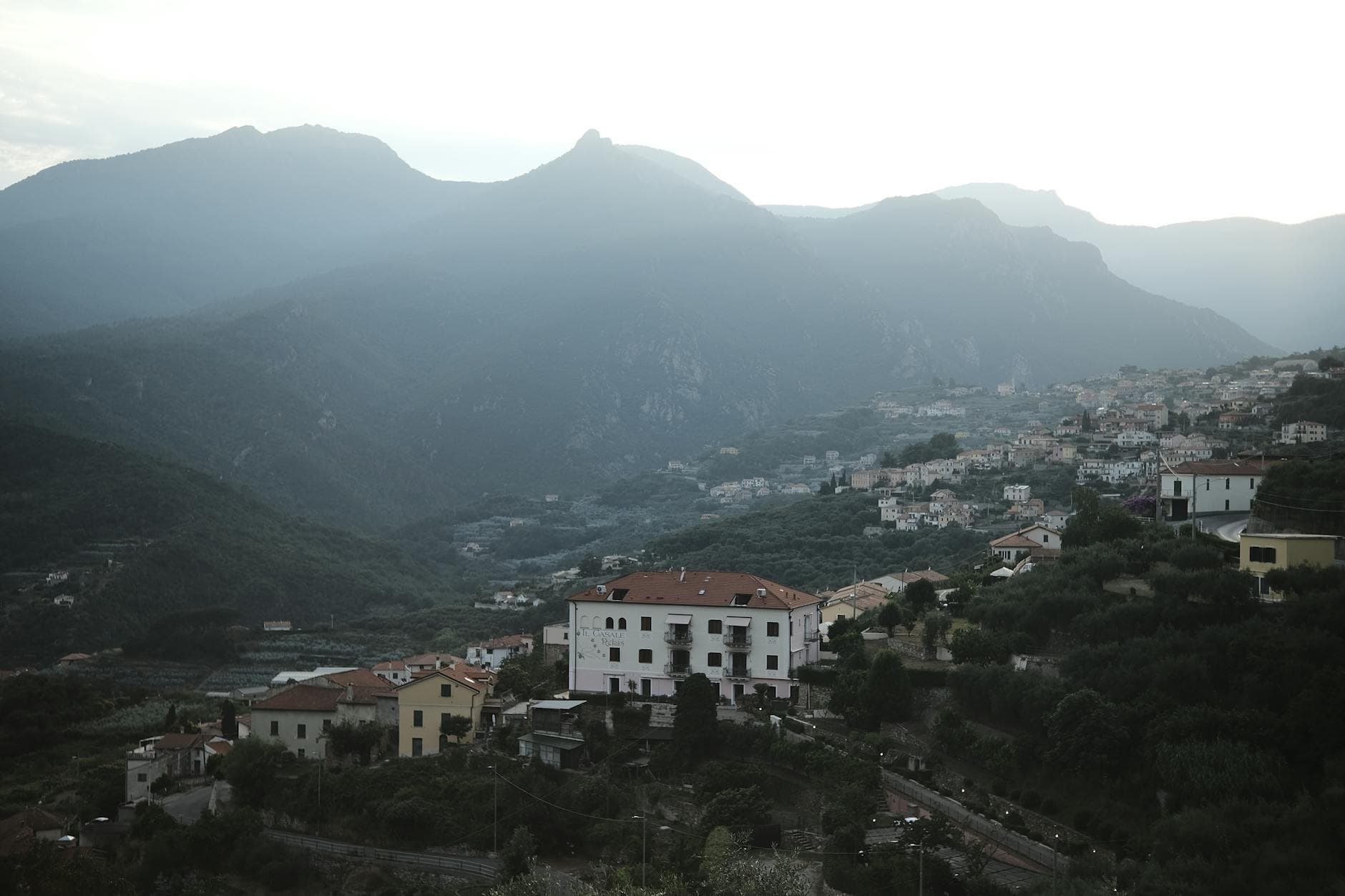
Taurasi DOCG occupies a small zone in the Avellino province of Campania, inland from Naples in the volcanic Campanian Apennines. The town of Taurasi sits at around 450 metres elevation, but the best vineyard sites climb to 500–700 metres — remarkable altitude for a southern Italian wine region. That elevation is the key variable. Aglianico, the grape of Taurasi, is a late-ripening variety that in the lowland Campanian heat would ripen too fast and lose the acidity that gives the wine its backbone. At altitude, ripening stretches across the growing season and into October, preserving acidity and building phenolic complexity simultaneously.
The region gained DOCG status in 1993, making it one of Campania's three top-tier appellations alongside Greco di Tufo and Fiano di Avellino. That trio — all from the Irpinia hills, all with genuine aging potential, all largely ignored by wine tourists focused on Tuscany and Piedmont — represents one of Italy's most coherent regional identities in wine. Taurasi is the red; Greco di Tufo and Fiano di Avellino are the whites. Together they make a compelling case for spending two days in a part of Italy that rewards the curious traveller with excellent wine, reasonable prices, and the kind of unhurried welcome that crowds have not yet diluted.
Quick Facts
| Detail | Info |
|---|---|
| **Country** | Italy |
| **Region** | Campania, Irpinia (Avellino province) |
| **Designation** | DOCG (Denominazione di Origine Controllata e Garantita) |
| **Grape** | 100% Aglianico (up to 15% other red varieties permitted) |
| **Minimum Aging** | 3 years (4 for Riserva), including at least 1 year in wood |
| **Best Vintages (recent)** | 2019, 2018, 2016, 2015, 2013 |
| **Best Months to Visit** | October (harvest), May–June (spring touring) |
| **Nearest Hub** | Naples (1 hour by car) |
| **Currency** | Euro |
| **Daily Budget** | €80–130 covers accommodation, meals, and tastings |
The Taurasi Terroir
Volcanic Soils and Altitude
The Campanian Apennines around Taurasi are geologically young and volcanically influenced. The soils are a mixture of volcanic ash and pumice from ancient eruptions, clay, and in places limestone. This combination — mineral-rich volcanic material, clay for water retention, good drainage on slopes — provides a soil structure well-suited to Aglianico, a variety that needs to work for its water and nutrients.
The volcanic mineral character carries through into the wine. Taurasi tastes like it comes from a specific place in a way that not all DOCGs achieve: there is an iron-mineral quality, a kind of dark-soiled austerity in the tannin structure, that distinguishes it from other Aglianico-based wines made at lower elevations in warmer conditions.
Altitude is the defining variable. At 500–700 metres, the Taurasi zone has a genuinely continental climate: hot summers, cold winters, and long warm autumns that allow late-ripening Aglianico to accumulate both sugar (for body and alcohol) and phenolics (for tannin and colour) while retaining the natural acidity that makes the wine age-worthy. Without altitude, the same grape at sea-level in the Campanian heat would produce something darker and jammier and far less interesting.
The Calore River Influence
The Calore River runs through the valley below the Taurasi hill zone. It contributes some moderating humidity to the growing season — useful for preventing extreme heat stress on the vines in late summer — and helps maintain the kind of even moisture distribution that lets Aglianico ripen evenly across its long hanging time. The river is not as central to Taurasi's identity as the Adige is to Alto Adige, but it is a component of the terroir that shapes growing conditions.
Climate: The October Factor
Most Italian red grapes finish harvest in September. Aglianico in Taurasi is typically harvested in October, occasionally into early November. This is the latest harvest of any significant Italian red variety, and it is made possible by the altitude keeping autumn temperatures low enough for the grapes to continue ripening without overheating. The result is that harvest in Taurasi looks and feels like harvest in Piedmont — cool, misty mornings, golden light, workers in jackets — while the vineyards are two hours from the Mediterranean coast.
Aglianico: The Grape of Taurasi
Character and Structure
Aglianico produces wine with very high tannin, very high acidity, deep colour, and concentrated black fruit. In youth, those properties combine into something that can read as punishing — hard, grippy, sour at the edges, dark and almost impenetrable. This is not a flaw; it is the material of long-term aging. The same tannin and acidity that make young Taurasi difficult to approach are what allow the wine to evolve in bottle for 20–30 years, softening, integrating, and developing secondary complexity as it does.
Typical flavour profile: black cherry, dried plum, tar, leather, volcanic mineral, dried herbs (particularly rosemary and sage), and in older bottles, tobacco, dried flowers, and something approaching graphite. The palate is full-bodied but rarely heavy in the way that hot-climate reds can be, because the natural acidity always provides lift.
The tannin structure in Aglianico is distinctive — fine-grained but very dry, coating the palate in a way that wine professionals sometimes describe as "sandy" or "grippy." This requires either extended aging in bottle or deliberate food pairing (braised meats, aged cheeses, anything with fat and protein to soften the grip).
When to Drink Taurasi
Minimum: 8 years from vintage for entry-level Taurasi; 10 for Riserva.
Optimal window: 10–20 years for most producers; 15–30 for the top estates in excellent vintages.
Avoid: Drinking Taurasi under 5 years old. It will taste austere and tannic, and the fruit character will be muted behind the structure.
If you are tasting at a winery and they pour a current-release Taurasi, understand that you are tasting the material, not the finished wine. Ask if they have older vintages available for comparison — the better producers maintain library stocks precisely for this purpose.
Aglianico del Vulture: The Basilicata Comparison
Aglianico also produces the Aglianico del Vulture DOCG in Basilicata to the south, grown on the volcanic slopes of Monte Vulture rather than the Campanian Apennines. The comparison between the two appellations is a useful one for wine students: same grape, similar volcanic influence, but different soils and slightly warmer conditions in Basilicata. Vulture Aglianico tends to be more immediately approachable — slightly less savage in tannin — while Taurasi at its best has more structural complexity and a more mineral, stern profile. Neither is "better"; they are different expressions of the same raw material.
Best Wineries in Taurasi
1. Mastroberardino — Atripalda
Mastroberardino is the estate that kept Taurasi alive. During the decades when the region's other producers were abandoning indigenous varieties in favour of international grapes, and when phylloxera had devastated the hillside vineyards, the Mastroberardino family maintained production with Aglianico and preserved what genetic material remained. The 1968 Mastroberardino Taurasi Riserva, still occasionally encountered at serious wine auctions, demonstrated that Campanian Aglianico could age for decades.
The flagship today is Radici Taurasi Riserva — single-vineyard fruit, aged in large Slavonian oak casks, typically released after 5 years at the winery. It is the benchmark by which other producers measure themselves. The estate also produces Fiano di Avellino and Greco di Tufo that are among the region's reference bottles for those varieties.
Visit: The winery in Atripalda (just outside Avellino city) runs organised tours in English. The historic cellars include an archaeological section — the site has Roman-era wine production evidence. Book ahead.
2. Feudi di San Gregorio — Sorbo Serpico
Feudi di San Gregorio is Irpinia's most architecturally significant winery and the estate that brought international attention to the region in the 1990s. The winery building, designed by Japanese architect Hikaru Mori, is a striking modern structure built into the hillside — the contrast with the ancient Apennine landscape is deliberate and effective. The estate produces wines across the full range of Irpinia DOCGs but is best known for Taurasi, particularly the Pianodario single-vineyard selection.
Quality has been consistent at the top of the range and occasionally uneven in the entry-level wines, but the Pianodario and the Serpico (a Lacryma Christi-zone red that falls outside Taurasi DOCG but is among the region's most interesting wines) are both serious bottles.
Visit: The winery runs extensive visitor programming — tours, tastings, and a restaurant. Book online. The architecture makes this worth visiting even for wine-adjacent travellers who are not dedicated to tasting every vintage.
3. Terredora di Paolo — Montefusco
Terredora emerged from a split in the Mastroberardino family in 1994, when the siblings who had run the estate together divided the vineyards. The result was two separate but interconnected operations, both with access to some of Irpinia's best parcels. Terredora's Taurasi — particularly the Campore cru — is structured and mineral, reflecting the high-altitude Montefusco sites.
The estate produces excellent Fiano di Avellino and Greco di Tufo alongside the Taurasi, making it a logical stop for tasting the full Irpinia DOCG trio at a single winery.
Visit: Tours and tastings available. The Montefusco location puts it on a logical route between Avellino and the Taurasi village.
4. Antonio Caggiano — Taurasi village
Antonio Caggiano began making wine in the 1990s after a career as a professional photographer — the precision that implies carries through into his winemaking. The estate is based in Taurasi village itself and produces two Taurasi crus: Salae Domini and the more celebrated Vigna Macchia dei Goti. The latter, from old-vine Aglianico on the village's highest slopes, is one of the region's most consistently compelling wines: dense, mineral, with the combination of fruit depth and structural austerity that characterises great Taurasi.
Visit: The winery in Taurasi village is the most centrally located of the serious producers. Book ahead. Caggiano also produces Fiano and Greco for a full Irpinia experience.
5. Molettieri Salvatore — Montemarano
Montemarano is a hill town west of Taurasi with its own distinct microclimate — slightly cooler, higher altitude, more clay in the soil. The Molettieri family estate produces Taurasi from Montemarano's old-vine Aglianico that some critics consider the most "pure" expression of the variety in the appellation. The Cinque Querce single-vineyard (named for the five oaks at the edge of the plot) is the estate's signature: deeply concentrated, mineral, requiring patience.
Visit: Small family operation. Contact before visiting — this is a working estate that welcomes visitors but is not staffed for walk-ins.
6. Luigi Tecce — Paternopoli
Luigi Tecce's Poliphemo Taurasi has become a reference point for the natural wine community's interest in southern Italy. Tecce farms biodynamically, uses minimal sulphur, and makes no concessions to approachability in youth — his wines can be some of the most austere young Taurasi you will encounter. Those who find them, and who have the patience for the cellaring, typically describe them as among the region's most distinctive bottles.
Visit: Very small production, limited visitor access. The wines are easier to find in serious natural wine bars in Naples than at the winery itself.
7. Guastaferro — Taurasi
Guastaferro is the estate most frequently named as Taurasi's "rising star" — a label that has applied consistently for the past decade, which suggests the estate has risen and is now simply very good. The Primum single-vineyard Taurasi is the flagship: concentrated, precise, with a mineral linearity that reflects the specific volcanic soils of the Taurasi village terroir. The estate also produces a more accessible entry-level Taurasi.
Visit: Contact ahead. Small operation, personal visits more rewarding than showing up unannounced.
8. Donnachiara — Montefalcione
Donnachiara is notable as a women-led estate in a region where family businesses have traditionally been managed by the male line. The winemaking reflects a more modern style than the most traditional producers — Aglianico handled to be approachable somewhat earlier, Fiano and Greco produced with precision and clarity. The visitor experience is more developed than at many Irpinia estates: the winery actively seeks visiting wine tourists and has invested in reception facilities.
Visit: Good English spoken. Book ahead but genuinely visitor-friendly. A practical choice if you want a polished tasting experience.
9. Quintodecimo — Mirabella Eclano
Luigi Moio is a professor of oenology at the University of Naples Federico II, which means his winemaking at Quintodecimo is unusually theoretically grounded. The estate produces limited quantities of wines from old-vine Aglianico (Taurasi Via del Campo and Vigna Quintodecimo) that consistently receive the region's highest critical attention. Moio's approach combines traditional Aglianico structure with careful extraction management — the wines are no less powerful than the traditional producers but have a more precise, delineated quality.
Visit: Very limited visitor access; production quantities are small and appointments require advance planning. The wines are worth seeking on restaurant lists in Naples if you cannot arrange a visit.
10. Contrade di Taurasi — Taurasi
Contrade di Taurasi operates as a cooperative structure where member producers vinify their individual vineyard plots separately rather than blending into a single estate wine. The result is a range of single-vineyard Taurasi selections that allow comparison between sites — useful for visitors interested in how soil and aspect affect the character of Aglianico within a small appellation. The wines are less celebrated than the star estates but offer genuine place-specificity at lower prices.
Visit: More accessible than most small estates; contact ahead.
Taurasi Wine Tour Itinerary
Where to Stay
Avellino is the practical base — a small city with hotels, restaurants, and transport connections to the surrounding wine zone. The Avellino city centre has several good mid-range hotels; expect €70–100 per night for a comfortable double. Alternatively, Taurasi village has a small agriturismo option for those who want to be in the wine zone itself, though accommodation choices are very limited.
Naples works if you want to combine city exploration with day trips to Irpinia — the drive is under an hour, and Naples has far more hotel choice and price range.
Day 1: Taurasi Village and the Traditional Producers
Morning: Drive from Avellino or Naples toward Taurasi village (50–60 minutes from Avellino, 1 hour from Naples). Visit Antonio Caggiano — the most centrally located of the serious producers — for a morning tasting. The Vigna Macchia dei Goti is worth asking about if they have older vintages open.
Lunch: The Taurasi village area has a handful of trattorie serving Irpinian cuisine — pasta e fagioli, ragù di agnello, sausages with broccoli rabe. The local food is specifically designed for structured red wines.
Afternoon: Drive to Molettieri in Montemarano (30 minutes west of Taurasi) for the old-vine Aglianico perspective. Then return east toward Guastaferro or Contrade di Taurasi depending on appointments arranged in advance.
Day 2: The Modern Estates
Morning: Feudi di San Gregorio in Sorbo Serpico (45 minutes from Avellino). Allow a full morning — the architecture, the tour, and a proper tasting of the full range including Pianodario takes 2–3 hours. The on-site restaurant is good for lunch.
Afternoon: Drive north to Terredora di Paolo in Montefusco for the family-split story and a comparison of their Taurasi Campore against the Feudi di San Gregorio style. Then to Mastroberardino in Atripalda (close to Avellino city) for the historic cellar tour and the Radici Riserva benchmark tasting.
Evening: Dinner in Avellino. The city has several restaurants treating Irpinian cuisine seriously.
Day 3 (Optional): Naples and Pompeii Extension
The drive from Taurasi to Pompeii takes about 1 hour on the A16 motorway west, then south toward Naples. Irpinia's wine region pairs geographically with the Campanian coast in a way that makes a combined trip entirely logical: wine country inland, then Pompeii, the Amalfi coast, or Naples for the second half of a week.
Irpinia's Other DOCGs
Taurasi is the headline, but the Irpinia zone produces two white DOCGs of comparable quality and far less recognition internationally.
Greco di Tufo DOCG
Grown on volcanic tufo (tuff) soils around the village of Tufo, Greco di Tufo is a full-bodied, mineral white with a distinctive savoury-smoky quality. The variety Greco has ancient Greek origins and has been grown in Campania for over two thousand years. Modern Greco di Tufo is typically made in stainless steel, producing wines that age better than their light gold colour and fresh aroma suggest — 5–8 years from the better producers is not unusual.
The sulphur-mineral character from the tufo soils is distinctive and polarising: some find it fascinating; others find it off-putting. It is worth trying with local mozzarella di bufala or fresh seafood from the Naples market.
Fiano di Avellino DOCG
Fiano is widely considered Campania's finest white variety and one of Italy's best overall. The Fiano di Avellino DOCG produces wines with a specific combination of nutty richness (roasted hazelnut is a standard descriptor), preserved lemon acidity, and a beeswax texture that distinguishes it from more aromatic Italian whites. It ages exceptionally well — the better producers routinely produce Fiano that develops for 10–15 years.
Mastroberardino's More Maiorum and Feudi di San Gregorio's Pietracalda are the reference points. Terredora and Donnachiara also produce excellent Fiano.
The Irpinia argument: Taurasi (red DOCG) + Greco di Tufo (white DOCG) + Fiano di Avellino (white DOCG) = three DOCG appellations from a single inland Campanian zone. No Italian province outside Piedmont carries three DOCG appellations within this small an area. The wines are genuinely different in character and all age well. This is a region that rewards visitors willing to move beyond the Tuscany and Piedmont defaults.
Getting to Taurasi
From Naples by car: The A16 motorway east from Naples runs through the Apennines toward Puglia; exit at Nusco or Candida for Taurasi and the central Irpinia zone. The journey from the Naples ring road takes 50–65 minutes. The road through the mountains is well-maintained but winding in parts.
From Pompeii or Sorrento: Allow 1.5 hours to Taurasi. The route goes through Naples or around it via the tangenziale — traffic dependent.
From Rome: 3–3.5 hours south on the A1 to Naples, then the A16 east. A long drive but manageable for a two-day trip. The alternative is flying into Naples from Rome (45 minutes) and driving from there.
Public transport: There is a bus service from Avellino to Taurasi that locals use, but the timetable is infrequent and the journey time slow. For visiting multiple wineries in a single day, a hire car is the only practical option.
Car hire: Available at Naples Capodichino Airport and at Avellino. Booking in advance is advisable, particularly in summer and harvest season.
Best Time to Visit
October (harvest): The most important month in Irpinia. Aglianico is harvested in October — Italy's last major red-variety harvest — and the atmosphere around Taurasi village during picking is genuinely special. The air smells of grapes, the roads carry tractors with bins, and the wineries that accept visitors during this period offer the chance to see the beginning of a wine that will not be drinkable for another decade. The Taurasi area occasionally holds a harvest festival, though exact dates vary by year.
Spring (April–May): Good weather, vineyards showing new growth, and uncrowded roads and wineries. Tastings feel more relaxed — winemakers have moved through the post-harvest bottling rush and are generally more available for conversation.
Summer (June–September): Irpinia is cooler than coastal Campania, which is a practical advantage. The zone averages 25–28°C in July–August rather than the 35°C+ of Naples. Cellar visits work well in the morning. Summer afternoons allow for driving to Naples or Pompeii.
Combining with the Amalfi Coast: The most popular combination for international visitors. Three days Amalfi/Ravello, then drive inland to Irpinia for two days of wine. The contrast between coastal tourist Campania and agricultural inland Campania is striking, and the wine context lands differently after seeing where the wine tourist money actually goes.
Frequently Asked Questions
What is Taurasi wine?
Taurasi is an Italian DOCG red wine made from Aglianico grapes grown in the Irpinia hills of Campania, inland from Naples. It must age a minimum of 3 years before release (4 for Riserva), is 100% Aglianico, and is characterised by high tannin, high acidity, and the ability to age for 20–30 years in good vintages.
What grape is Taurasi wine made from?
100% Aglianico, a late-ripening red variety grown in southern Italy. Aglianico produces wines with deep colour, very high tannin and acidity, and black fruit character. The high-altitude vineyards of Taurasi produce the most structured and age-worthy expression of the variety in Italy.
Is Taurasi really comparable to Barolo?
Structurally, yes: both are 100% single-variety, both have extremely high tannin and acidity requiring long aging, and both develop into complex, secondary-character wines with 10–20 years of bottle age. The comparison is inexact — Nebbiolo and Aglianico are different varieties with different aromatic profiles — but the structural and aging parallels are real. Taurasi regularly sells for 30–50% of comparable Barolo prices.
How long does Taurasi wine need to age?
At minimum 8 years from vintage for entry-level Taurasi; 10–12 years for serious single-vineyard productions; 15–25 years for the best Riserva in top vintages. Young Taurasi (under 5 years) tastes severely tannic and astringent to most palates. The variety needs time in a way that requires either patience or a good library.
What should I eat with Taurasi?
The wine's high tannin and acidity demand food with fat and protein. Braised lamb (agnello), slow-cooked pork ragù, aged pecorino or provolone, and heavy pasta dishes work well. The traditional Irpinian cuisine — developed alongside the wine — is precisely calibrated for this purpose. Avoid pairing Taurasi with fish or delicate dishes; the wine overwhelms light food.
How do I visit Taurasi wineries?
Most require advance booking. The best approach is to email or call 2–3 weeks ahead, identify the 4–5 estates you want to visit, and build an itinerary around confirmed appointments. Mastroberardino and Feudi di San Gregorio have structured visitor programmes that can be booked online. Smaller family estates — Molettieri, Caggiano, Guastaferro — are more flexible but operate on a personal-contact basis.
Related: Best Wineries in Italy for a broader country guide. Burgundy Wine Region Guide for the northern Italian comparison — Barolo parallel explored in depth.


Wines of Taurasi Wine Region, Campania: Italy's 'Barolo of the South' Guide
Key grape varieties and wine styles produced in the region
Primary Grape Varieties
Wine Styles
Ready to visit Taurasi?
Build your personalised day-by-day itinerary — choose your travel style and trip length, get accommodation and tour picks per day, and email it to yourself to take along.
Upcoming Wine Festivals in Italy
See all festivalsHidden Gems Nearby
Discover more hidden gemsGiuseppe Mascarello e Figlio
WTG PickPiedmont, Italy
One of Barolo's last true traditionalists, producing monopole wines in a garage-sized cellar with zero marketing.
Nebbiolo · Barbera · Dolcetto
Benanti
Sicily, Italy
The original Etna pioneer, predating the volcanic wine hype by decades, with vineyard elevations reaching 1,000 metres.
Nerello Mascalese · Carricante
La Stoppa
Emilia-Romagna, Italy
A natural wine icon in a forgotten corner of Emilia, producing orange wines and skin-contact whites that are pilgrimages for the in-the-know.
Barbera · Bonarda · Malvasia
Book Your Taurasi Wine Country Stay
Compare hotels, vineyard B&Bs and rentals across Booking, Airbnb and more in one search.
Compare stays near the vineyardsStay22
Plan Your Taurasi Wine Region, Campania: Italy's 'Barolo of the South' Guide Trip
Estimate your Taurasi Wine Region, Campania: Italy's 'Barolo of the South' Guide trip cost
Budget calculator with accommodation, food, wine, and transport estimates.
Try itCompare Taurasi Wine Region, Campania: Italy's 'Barolo of the South' Guide with other regions
Side-by-side comparison of cost, climate, wine styles, and more.
Try itWhen to visit Taurasi Wine Region, Campania: Italy's 'Barolo of the South' Guide
Harvest dates, peak season, and the best months for wine travel.
Try itThis page contains affiliate links. We may earn a commission at no extra cost to you.