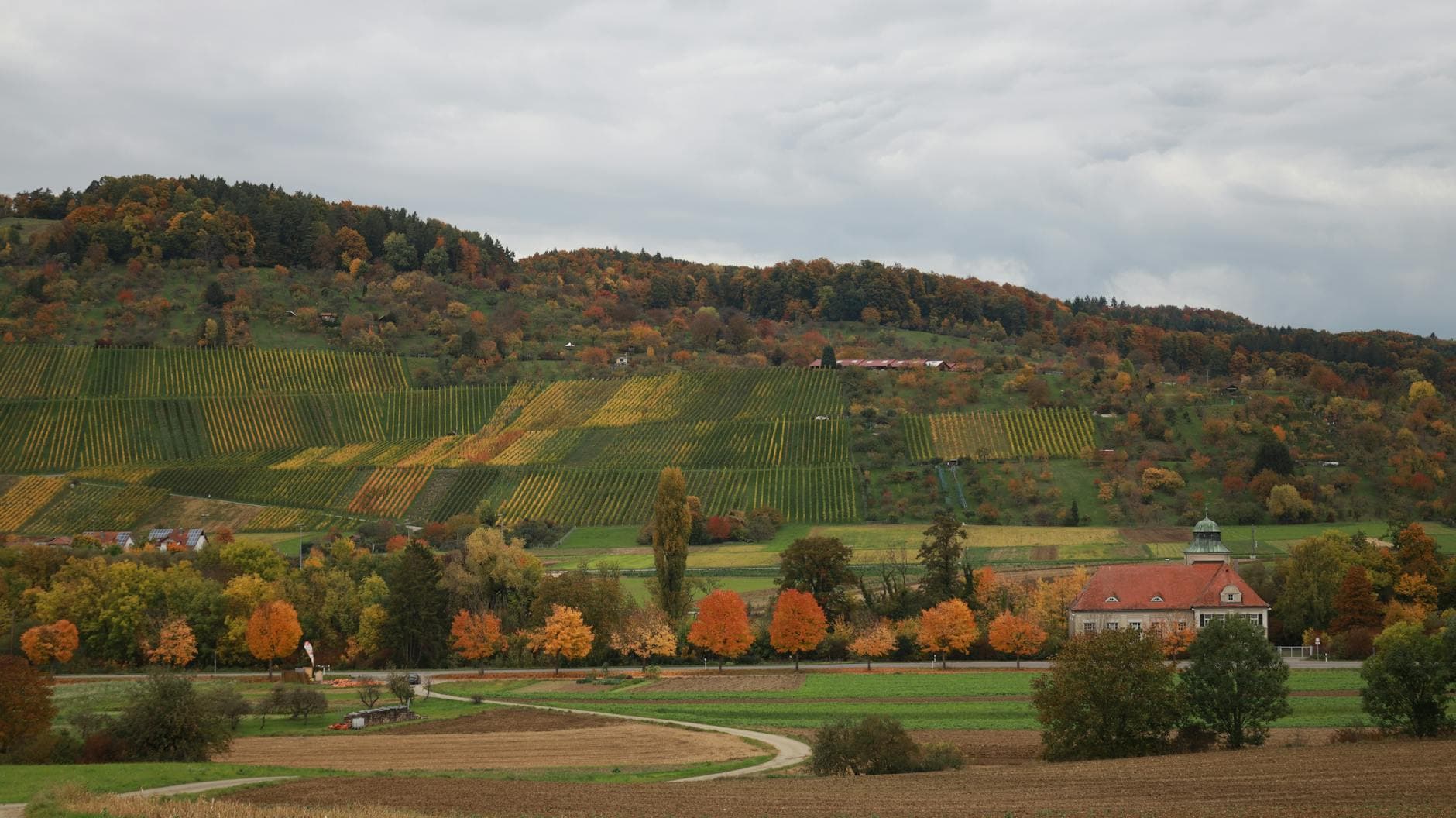
 Photo: Laker / Pexels
Where to Stay in Rhone Valley Wine Country: Complete 2026 Guide
Find the best places to stay in France's Rhone Valley for wine lovers. From Chateauneuf-du-Pape village stays to Northern Rhone Syrah country, discover the perfect base for tasting world-class reds.
Planning a trip to Rhone Valley?
Compare hotels, vineyard B&Bs and rentals across Booking, Airbnb and more in one search.
The Rhone Valley splits into two distinct wine worlds separated by a 50-kilometre gap with no vineyards at all. In the north, steep granite hillsides above the river produce some of France's most intense Syrah — single-varietal wines from tiny appellations like Hermitage, Cote-Rotie, and Cornas. In the south, the terrain opens up into sun-baked plains and limestone plateaux where Grenache-based blends dominate, producing the generous, spice-driven reds of Chateauneuf-du-Pape, Gigondas, and Vacqueyras.
Most tourists blow past the Rhone on the autoroute heading to Provence or the Cote d'Azur, which is exactly why wine lovers should stop here. The Northern Rhone has some of the steepest, most dramatic vineyards in France but almost no tourist infrastructure — you'll share tasting rooms with sommeliers and trade professionals, not coach tours. The Southern Rhone is warmer and more relaxed, with medieval hilltop villages, easier winery access, and Avignon as a world-class gateway city. This guide covers where to base yourself, what type of accommodation suits your trip, and when to time your visit.
Best Areas to Stay in Rhone Valley at a Glance:
- For flagship Southern Rhone: Chateauneuf-du-Pape — medieval village, iconic reds, galets roules stones
- For Northern Rhone Syrah: Tain-l'Hermitage — Hermitage hill, M. Chapoutier, Jaboulet
- For hilltop villages + hiking: Gigondas / Vacqueyras — Dentelles de Montmirail backdrop
- For city amenities + gateway: Avignon — Palace of the Popes, restaurants, Southern Rhone base
- For steep terraced Syrah: Cote-Rotie / Ampuis — northernmost vineyards, Guigal
Best Areas to Stay for Wine Tasting

Chateauneuf-du-Pape
The most famous name in the Southern Rhone and the spiritual capital of Grenache-based blends. This compact medieval village sits on a hill topped by the ruins of a 14th-century papal summer palace, overlooking vineyards covered in the region's trademark galets roules — large, smooth river stones that retain daytime heat and radiate it back to the vines at night.
Why wine lovers choose Chateauneuf-du-Pape:
- Over 300 producers within the appellation, from family estates to historic domaines
- Tasting rooms are walkable from the village centre
- The village itself is atmospheric — narrow streets, papal castle ruins, vineyard panoramas
- Key producers: Chateau Rayas, Domaine du Vieux Telegraphe, Chateau de Beaucastel, Clos des Papes
- Many domaines welcome walk-ins during business hours (Southern Rhone is more casual than Bordeaux)
Price range: EUR 90-280/night
Best for: First-time Rhone visitors, Southern Rhone enthusiasts, those who want walkable wine access
Wine access: Many cellars open without appointment. For top estates like Rayas (famously reclusive), you'll need persistence and an introduction. Most others are welcoming with a day's notice.
Where to stay: Hostellerie Château des Fines Roches (a historic house overlooking the vineyards, with a spa) and Hôtel La Sommellerie (its own attached winery) are two named options.
Tain-l'Hermitage / Northern Rhone
A small town on the banks of the Rhone river, directly beneath the famous Hermitage hill — one of the most revered vineyard sites in France. Tain is the practical base for the Northern Rhone, giving access to Hermitage, Crozes-Hermitage (the largest Northern appellation), Saint-Joseph, and Cornas within a 30-minute drive.
Why wine lovers choose Tain-l'Hermitage:
- Hermitage hill is right there — you can walk vineyard paths through the named lieux-dits
- M. Chapoutier's tasting room and Valrhona chocolate factory are in town
- Paul Jaboulet Aine, Jean-Louis Chave (by appointment only), and Delas Freres all nearby
- Crozes-Hermitage surrounds the town — excellent value Syrah
- The twin town of Tournon-sur-Rhone across the river has a medieval castle and good restaurants
Price range: EUR 80-220/night
Best for: Serious Syrah enthusiasts, Northern Rhone deep-dives, wine professionals
Wine access: Book ahead. Northern Rhone producers are smaller and more appointment-driven than the South. Chapoutier is the easiest walk-in; Chave is invitation-only.
Trade-off: Limited accommodation options. Tain itself is functional rather than charming — you're here for the wine, not the architecture.
Where to stay: Hôtel de la Villeon (a boutique property with a serious wine cellar) and Maison Pic (a well-known luxury option) are two named options.
Gigondas / Vacqueyras / Dentelles de Montmirail
Three appellations clustered around the Dentelles de Montmirail, a jagged limestone mountain range that creates a microclimate for Grenache and Mourvedre. The hilltop village of Gigondas is postcard-perfect, with stone houses, a 12th-century church, and views across vineyards to Mont Ventoux.
Why wine lovers choose Gigondas:
- Among the best value-to-quality ratios in French wine (a fraction of Chateauneuf prices)
- Dentelles de Montmirail offers outstanding hiking — combine morning walks with afternoon tastings
- Village atmosphere is quieter and less commercial than Chateauneuf-du-Pape
- Key producers: Domaine du Cayron, Domaine Saint Cosme (Gigondas), Chateau des Tours, Domaine de la Monardiere (Vacqueyras)
- Beaumes-de-Venise (Muscat dessert wine) is 10 minutes away
- The weekly markets in Vaison-la-Romaine (Roman ruins, excellent market) are a short drive
Price range: EUR 70-200/night
Best for: Hikers, value wine seekers, couples wanting village romance, return visitors to the Rhone
Wine access: Casual and welcoming. Many producers have tasting rooms in the village itself. Gigondas has a cooperative cave that represents dozens of domaines in one stop.
Where to stay: Les Florets (on the hillside in the Gigondas vines, with a pool) and Hôtel Restaurant Montmirail (a 19th-century building at the foot of the Dentelles) are two named options.
Avignon
The largest city in the region and the practical gateway to the Southern Rhone. The walled old city — dominated by the Palais des Papes (Palace of the Popes, UNESCO World Heritage) and the famous broken bridge — has excellent restaurants, vibrant nightlife during the July festival, and reliable transport links including TGV from Paris (2h40).
Why wine lovers choose Avignon:
- Best restaurant scene in the Rhone Valley (several Michelin-starred options)
- TGV station connects to Paris, Lyon, Marseille
- Central base: Chateauneuf-du-Pape is 20 minutes north, Gigondas 40 minutes northeast
- Wine bars and shops in the old city stock deep selections from across the Rhone
- Non-wine activities for mixed groups: papal palace, Pont d'Avignon, Villeneuve-les-Avignon
- Car rental agencies at the TGV station make it easy to pick up and go
Price range: EUR 100-350/night
Best for: Mixed-interest groups, festival visitors (July), those wanting city comforts with wine day trips
Wine access: Not direct — you'll drive to tastings. But the city's wine bars (especially around Place de l'Horloge and Rue des Teinturiers) offer excellent by-the-glass selections from across both Northern and Southern Rhone.
Where to stay: La Mirande (a 5-star hotel by the Palais des Papes, Michelin-starred restaurant) and Hôtel Cloître Saint Louis (a 16th-century convent around a courtyard) are two named options.
Cote-Rotie / Ampuis
The northernmost and arguably most prestigious Rhone appellation. The "roasted slope" vineyards above the village of Ampuis are so steep that workers use pulleys and winches — terracing at 60-degree angles on pure granite. This is where Syrah reaches its most elegant, perfumed expression, co-planted with a few percent of Viognier on the Cote Blonde.
Why wine lovers choose Cote-Rotie:
- Home to E. Guigal (La Mouline, La Landonne, La Turque — the legendary "La La Las")
- Tiny production, prestigious wines, serious atmosphere
- Stunning vineyard scenery — the terraces are visible from the village
- Condrieu (Viognier) is the next appellation south — two world-class appellations in 10 kilometres
- Close to Lyon (30 minutes) for day trips or arrival/departure
Price range: EUR 70-180/night
Best for: Serious collectors, Syrah purists, those combining with a Lyon city trip
Wine access: Very limited and appointment-only. Guigal's cellar visits are exceptional but must be booked well in advance. Smaller producers like Stephane Ogier, Rene Rostaing, and Jamet require introductions or persistent emails.
Trade-off: Barely any tourist accommodation. Most visitors base in Lyon or Tain-l'Hermitage and drive up. Ampuis has a handful of guesthouses, not hotels.
Where to stay: Hotel Le Domaine des Vignes (owned by a Rhône wine grower who runs tastings on-site) and La Gérine (a bed & breakfast on the Côte-Rôtie slopes) are two named options — rare finds this close to the appellation.
Types of Wine Country Accommodation
Village Guesthouses & Chambres d'Hotes (EUR 70-200/night)
The most authentic Rhone experience. Family-run guesthouses in wine villages, often in restored stone farmhouses. Breakfast typically includes local bread, cheese, fruit, and sometimes a glass of the host's own wine.
What to expect:
- Characterful rooms in historic buildings
- Hosts who know every producer in the area
- Homemade breakfast with local products
- Small (2-5 rooms), personal atmosphere
- Garden or terrace with vineyard views
Best for: Wine enthusiasts wanting local knowledge, couples, French speakers (helps but not required)
Wine Estate Stays (EUR 120-400/night)
Several Rhone domaines offer rooms on the property — you sleep among the vines and taste with the winemaker. More common in the Southern Rhone than the North.
What to expect:
- Accommodation within a working winery
- Private tastings, sometimes barrel samples
- Vineyard walks from your door
- Often includes dinner with the winemaker (table d'hote)
- Book months ahead for harvest season
Best for: Immersive wine experiences, special occasions, those who want to understand winemaking up close
Avignon Hotels (EUR 100-350/night)
The city offers everything from budget chains near the TGV station to boutique hotels within the medieval walls. The intra-muros (walled city) location is worth the premium for walkability to restaurants and sights.
What to expect:
- Full hotel amenities (reception, concierge, air conditioning — important in summer)
- Walking distance to restaurants, wine bars, papal palace
- Parking can be difficult inside the walls (use peripheral lots)
- Wide price range and availability
Best for: Mixed groups, festival visitors, those wanting reliable comfort and city dining
Rural Gites (EUR 60-150/night)
Self-catering holiday rentals throughout the countryside. Excellent for longer stays (3+ nights) and families. Range from simple converted barns to restored mas (Provencal farmhouses) with pools.
What to expect:
- Kitchen facilities for cooking with market produce
- More space than hotels or guesthouses
- Often include gardens, pools, outdoor dining
- Weekly rental often better value than nightly
- Car essential
Best for: Families, longer stays, self-caterers, budget-conscious wine lovers
When to Visit Rhone Valley
The Rhone Valley has a Mediterranean climate in the south and a continental edge in the north. Summer heat is real — Chateauneuf-du-Pape regularly hits 38-40C in July and August. The mistral wind (cold, strong northerly) blows year-round but especially in winter and spring, clearing skies to brilliant blue but making outdoor dining uncomfortable.
Spring (April-May)
Mild temperatures (15-25C), wildflowers in the garrigue scrubland, fewer tourists. Mistral can be strong. Vineyards are green and growing. Excellent for hiking the Dentelles.
Summer (June-August)

Hot to very hot (30-40C). Peak tourist season, especially July (Avignon Festival). Long evening light. Air conditioning matters. Book well ahead for accommodation and tastings.
Harvest (September-October)
The most exciting time for wine lovers. Vineyards buzzing with pickers, cellars full of fermenting juice, warm but manageable temperatures (20-30C). Some domaines close to visitors during harvest — call ahead.
Winter (November-March)
Quiet, cold (5-12C), mistral at its strongest. Many guesthouses and smaller domaines close. Prices are lowest. Best for visiting Avignon's museums and restaurants without crowds.
| Month | Avg High | Crowds | Prices | Notes |
|---|---|---|---|---|
| Jan-Feb | 8-10C | Very low | Lowest | Mistral, many closures |
| Mar-Apr | 14-18C | Low | Low-Medium | Spring blooms, mistral easing |
| May-Jun | 23-30C | Medium | Medium-High | Ideal weather, pre-summer |
| Jul-Aug | 32-38C | High | Highest | Very hot, Avignon Festival (July) |
| Sep-Oct | 22-28C | Medium-High | Medium-High | Harvest, best for wine lovers |
| Nov-Dec | 10-14C | Low | Low | Quiet, Christmas markets in Avignon |
Insider Tips for Visiting Rhone Valley
- Understand the North-South split. Northern and Southern Rhone are genuinely different regions — different grapes (Syrah vs Grenache blends), different terrain (steep slopes vs flat plains), different cultures (reserved vs relaxed). Don't try to combine both in a weekend. Give each at least 2-3 days.
- Respect the mistral. This cold, powerful northerly wind funnels down the Rhone corridor and can blow at 100+ km/h. It clears the sky and drops temperatures sharply. Pack a jacket even in summer, and don't plan vineyard picnics on mistral days — your cheese plate will end up in the next village.
- Book Northern Rhone visits well ahead. Production is tiny, cellar capacity is small, and many top producers (Chave, Jamet, Allemand) essentially don't receive visitors. Start emailing 4-6 weeks before your trip. Chapoutier and Jaboulet are the reliable walk-in-friendly options.
- Southern Rhone is much more casual. Walk into most Chateauneuf or Gigondas tasting rooms during business hours and you'll be welcomed. The village cooperatives are excellent starting points — taste 20+ producers' wines in one stop before visiting your favourites directly.
- Side-trip to Pont du Gard. The Roman aqueduct is 30 minutes from Avignon and one of the most impressive ancient structures in Europe. Easy half-day trip that gives non-wine members of your group something extraordinary.
- Pair wine villages with markets. Vaison-la-Romaine (Tuesday market), L'Isle-sur-la-Sorgue (Sunday antiques), Uzes (Saturday) — the Provencal market tradition is alive here. Buy cheese, charcuterie, and bread, then picnic in the vineyards.
- Don't overlook Crozes-Hermitage and Cotes du Rhone Villages. The appellation hierarchy means these wines cost EUR 10-20 at the cellar door versus EUR 40-80 for Hermitage or Chateauneuf. Many are made by the same talented winemakers from adjacent plots. Outstanding value.
- Summer heat is no joke. Plan tastings for mornings and late afternoons. Midday in July, you want to be at a pool, under plane trees in Avignon, or inside a temperature-controlled cellar. Hydrate. The garrigue smells incredible in the heat, but you won't enjoy a vineyard walk at 38C.
Book Your Rhone Valley Stay
Ready to explore France's most underrated major wine region? Browse curated Rhone Valley stays — from stone guesthouses in Chateauneuf-du-Pape to vineyard stays near Hermitage hill, all selected for wine lovers who want more than a hotel room.
Whether you're chasing the brooding Syrah of Cote-Rotie's terraces or the generous Grenache warmth of a Chateauneuf sunset, the Rhone Valley rewards those who slow down and stay a while. The wines are world-class, the villages are real, and the tourist crowds are somewhere else.
More Rhone Valley Wine Travel Guides
- Rhone Valley Wine Region Overview
- Northern Rhone Guide
- Southern Rhone Guide
- France Wine Regions
- Best Wine Bars in Avignon
Word Count: ~2,400
Last Updated: March 2026
Author: WineTravelGuides Editorial Team
Ready to visit Rhone Valley?
Build your personalised day-by-day itinerary — choose your travel style and trip length, get accommodation and tour picks per day, and email it to yourself to take along.
Upcoming Wine Festivals in France
See all festivalsHidden Gems Nearby
Discover more hidden gemsChâteau Rayas
WTG PickRhône Valley, France
No signage, no marketing, and intentionally limited access — yet the wines trade at Burgundy Grand Cru prices. The antithesis of every other Châteauneuf estate.
Grenache-dominant Châteauneuf-du-Pape
Domaine Gramenon
Rhône Valley, France
A founding name in French natural wine, operating in an appellation (Côtes du Rhône) most wine tourists skip entirely in favour of Châteauneuf and Gigondas.
Grenache · Syrah · Viognier
Domaine Richaud
WTG PickRhône Valley, France
The man who made Cairanne an appellation. His wines punch well above their price point — Grenache that competes with much more expensive Châteauneuf.
Grenache · Carignan · Counoise
Book Your Rhone Valley Wine Country Stay
Compare hotels, vineyard B&Bs and rentals across Booking, Airbnb and more in one search.
Compare stays near the vineyardsStay22
Plan Your Where to Stay in Rhone Valley Wine Country: Complete 2026 Guide Trip
Estimate your Where to Stay in Rhone Valley Wine Country: Complete 2026 Guide trip cost
Budget calculator with accommodation, food, wine, and transport estimates.
Try itCompare Where to Stay in Rhone Valley Wine Country: Complete 2026 Guide with other regions
Side-by-side comparison of cost, climate, wine styles, and more.
Try itWhen to visit Where to Stay in Rhone Valley Wine Country: Complete 2026 Guide
Harvest dates, peak season, and the best months for wine travel.
Try itThis page contains affiliate links. We may earn a commission at no extra cost to you.