Alsace Wine Route Guide: Colmar, Riquewihr & the Best Wineries to Visit in 2026
Drive the 170km Alsace Wine Route from Strasbourg to Colmar: the best wineries, prettiest villages, Riesling and Gewurztraminer tastings, costs, and where to stay.
Alsace Wine Route Guide: Colmar, Riquewihr & the Best Wineries to Visit in 2026
The Route des Vins d'Alsace runs 170 kilometres along the eastern foothills of the Vosges Mountains, from Marlenheim near Strasbourg down to Thann south of Colmar. Established in 1953, it is the oldest designated wine route in France — and still one of the most rewarding to drive.
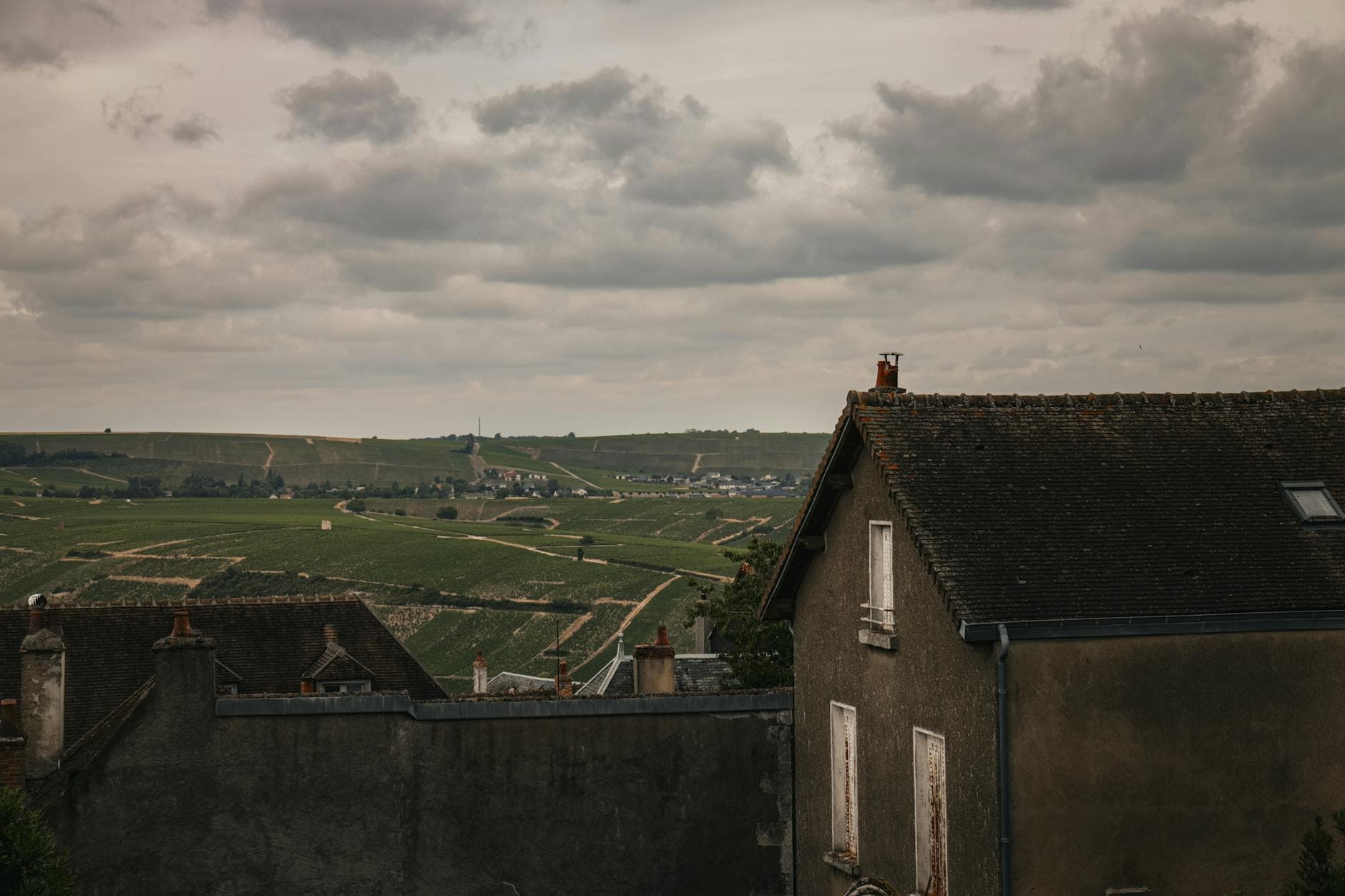
The route passes through more than 70 wine-producing villages, many built with the half-timbered houses and flower-lined canals that define the Alsatian look. The landscape shifts between vineyard slopes, forested hilltops, and castle ruins, with the Rhine plain and Germany's Black Forest visible to the east on clear days.
Alsace is white wine country. Riesling, Gewurztraminer, Pinot Gris, and Muscat dominate the vineyards, producing aromatic, mineral-driven wines that stand apart from anything else made in France. The region also makes excellent Cremant d'Alsace (traditional-method sparkling wine) and small quantities of Pinot Noir — the only red grape permitted under Alsace AOC rules.
What makes the route special is accessibility. Most domaines welcome walk-in visitors, tasting fees rarely exceed EUR 15 (~USD 16), and winemakers often pour and talk with you personally. You can visit three or four wineries in a morning, break for lunch at a winstub (traditional Alsatian tavern), and still have time to explore a ruined castle before dinner.
This guide covers the key stops, best wineries, costs, and logistics for driving the Alsace Wine Route in 2026.
Quick Facts
| Detail | Info |
|---|---|
| **Country** | France (Grand Est region) |
| **Key Grapes** | Riesling, Gewurztraminer, Pinot Gris, Pinot Blanc, Muscat, Cremant d'Alsace (sparkling) |
| **Wine Styles** | Aromatic dry whites, late harvest (Vendange Tardive), Selection de Grains Nobles (botrytis dessert wines) |
| **Best Months** | April–June, September–October |
| **Nearest Airports** | Strasbourg (SXB), Basel-Mulhouse (BSL) |
| **Tasting Costs** | EUR 5–15 (~USD 5–16) |
| **Grand Cru Vineyards** | 51 designated sites |
| **Route Length** | 170 km (Marlenheim to Thann) |
Wine & Terroir
Alsace has changed hands between France and Germany four times since 1871. That dual identity runs through every part of the wine culture — from the tall, slender bottle shape (called a flute d'Alsace, similar to German wine bottles) to the practice of labelling wines by grape variety rather than village, which is unusual for France but standard in Germany.
The Grand Cru System
Alsace has 51 Grand Cru vineyards, each with defined boundaries and specific geological profiles. Only four grape varieties qualify for Grand Cru status: Riesling, Gewurztraminer, Pinot Gris, and Muscat. Yields are restricted and wines must pass a tasting panel. In practice, Grand Cru labelling tells you where the grapes were grown and guarantees a minimum quality threshold — though some top producers (notably Trimbach) have historically chosen not to use Grand Cru designations on their labels, preferring their own brand names for top cuvees.

The soils along the route shift dramatically over short distances. Granite around Andlau and Dambach-la-Ville produces taut, steely Rieslings. Limestone-clay around Riquewihr gives weight and richness to Gewurztraminer. Volcanic soils near Thann (the Rangen Grand Cru) produce some of the most intensely mineral wines in all of Alsace.
Riesling: The Star Grape
Riesling is the flagship. Alsatian Rieslings are typically fermented dry — crisp, high-acid, with citrus and stone-fruit aromas layered over a mineral backbone. They age extremely well; a Grand Cru Riesling from a good vintage can develop beautifully for 15–20 years. Entry-level Rieslings from cooperative cellars start around EUR 7–10 (~USD 8–11) a bottle; Grand Cru bottlings from top domaines range from EUR 20–50 (~USD 22–55).
Gewurztraminer
Gewurztraminer ("gewurz" means spice in German) is the grape people either love or avoid. At its best, it produces full-bodied whites with lychee, rose petal, ginger, and Turkish delight aromas. The dry versions work brilliantly with Munster cheese and Asian food. Late-harvest Vendange Tardive Gewurztraminer is rich and honeyed without being cloying — one of France's great dessert wine styles.
Cremant d'Alsace
Cremant d'Alsace accounts for about a quarter of all cremant production in France. Made by the traditional method (second fermentation in bottle, like Champagne), it uses Pinot Blanc, Riesling, Pinot Gris, or Chardonnay. A good Cremant d'Alsace costs EUR 8–14 (~USD 9–15) — roughly a third of the price of entry-level Champagne — and is a reliable aperitif wine. Most domaines along the route produce at least one cuvee.
Best Wineries to Visit
The Alsace Wine Route has hundreds of producers. These seven represent a cross-section of historic houses and smaller domaines, all open to visitors. Booking ahead is recommended for the larger estates; smaller domaines often accept walk-ins but calling the day before is courteous.
For general guidance on what to wear and how tastings work, see our wine tasting dress code guide.

Domaine Weinbach (Kaysersberg)
Founded in 1612 by Capuchin monks, Weinbach sits at the foot of the Schlossberg Grand Cru — the first vineyard to receive Grand Cru status in Alsace. Now run by the Faller family, the estate produces exceptional Riesling and Gewurztraminer from several Grand Cru sites. The tasting room is in the original monastery building. Expect structured, age-worthy wines with pronounced mineral character. Tastings by appointment; count on EUR 10–15 (~USD 11–16) for a guided session.
Maison Trimbach (Ribeauville)
Trimbach has been family-run since 1626 — thirteen generations. Their Riesling "Clos Sainte Hune" is considered one of the greatest white wines in the world, sourced from a tiny 1.67-hectare plot within the Rosacker Grand Cru (though Trimbach deliberately omits the Grand Cru designation from the label). Visits to the winery are by appointment only and tend to book up weeks in advance. The standard range — including the Riesling Reserve and Gewurztraminer — is available to taste and buy at the estate.
Hugel & Fils (Riquewihr)
Hugel is one of Alsace's most recognised names internationally, operating from the centre of Riquewihr since 1639. The family was instrumental in establishing the Vendange Tardive and Selection de Grains Nobles legal categories. Their tasting room on the main street is open without appointment most days. The Jubilee range (Riesling, Gewurztraminer, Pinot Gris) offers Grand Cru quality. Riquewihr itself is heavily touristed in summer — arrive early or visit on weekdays.
Domaine Zind-Humbrecht (Turckheim)
Olivier Humbrecht MW (France's first Master of Wine) runs this biodynamic estate, producing powerful, concentrated wines from four Grand Cru sites: Rangen, Brand, Hengst, and Goldert. The wines are fuller-bodied and richer than most Alsatian whites — the Rangen Riesling and Pinot Gris are particularly intense. Visits by appointment; the winery is on the edge of Turckheim, an easy stop between Colmar and Kaysersberg.
Marcel Deiss (Bergheim)
Jean-Michel Deiss is a controversial figure in Alsace: he championed field blends (complantation) — planting multiple grape varieties together in a single vineyard and vinifying them as one wine. His Altenberg de Bergheim Grand Cru is a co-fermented blend that challenges the single-varietal tradition. Whether you agree with the philosophy or not, the wines are compelling and the visit is educational. Appointment required.
Domaine Albert Mann (Wettolsheim)
A family domaine practising biodynamics across 23 hectares, including parcels in the Furstentum, Hengst, Schlossberg, Steingrubler, and Pfersigberg Grand Crus. The wines balance richness and precision — the Pinot Gris Furstentum and Riesling Schlossberg are consistently excellent. The tasting room is welcoming and unhurried. Located just outside Colmar, making it an easy first or last stop.
Domaine Bott-Geyl (Beblenheim)
A smaller biodynamic estate between Riquewihr and Colmar, producing expressive Gewurztraminer and Muscat from the Sonnenglanz and Mandelberg Grand Crus. Less well-known than the famous houses, which means quieter visits and more personal attention. Good value across the range. Open most days; call ahead to confirm.
The Route: Key Stops (North to South)
You don't need to drive the full 170 km in one go. Most visitors pick a 40–60 km section and explore it over two or three days. Here are the main stops, running from north to south.
Strasbourg — The regional capital. Not on the wine route itself, but the logical starting point if you fly into SXB. The old town (Grande Ile) is a UNESCO site. Good restaurants, easy car rental access.

Obernai — The first significant wine town heading south. Compact old centre with a market square. Less crowded than the villages further south. Start of the serious vineyard landscape.
Barr — Gateway to the northern Grand Crus. The Kirchberg de Barr Grand Cru produces fine Gewurztraminer. Good base if you want to hike in the Vosges foothills.
Dambach-la-Ville — The largest wine-producing commune in Alsace by vineyard area. Granite soils, excellent Riesling. The village is less touristic, which is part of the appeal.
Ribeauville — Known for three hilltop castle ruins visible from the main street. Home to Trimbach. The annual Pfifferdaj festival (first Sunday of September) features free-flowing wine from the town fountain.
Riquewihr — The most photographed village on the route. Hugel & Fils is here. Extremely busy in summer — plan an early morning or off-season visit. The Schoenenbourg Grand Cru rises directly behind the village.
Kaysersberg — Albert Schweitzer's birthplace. Quieter than Riquewihr with a similar half-timbered aesthetic. Domaine Weinbach is at the edge of town. Strong restaurant scene.
Colmar — The unofficial capital of the wine route. "Little Venice" canal district, the Unterlinden Museum (home to the Isenheim Altarpiece), and dozens of winstubs. The most practical base for multi-day wine touring.
Eguisheim — A circular village built in concentric rings around a central square. Often cited as one of the most beautiful villages in France. Several tasting rooms within walking distance of the centre.
Thann — The southern terminus of the wine route. The Rangen Grand Cru here is planted on steep volcanic slopes — some of the most extreme vineyard terrain in Alsace. Worth the detour for serious wine enthusiasts.
Getting There & Getting Around
Flights
Strasbourg (SXB) is the closest airport to the northern end of the route, with direct flights from Paris, Amsterdam, London, and several other European cities. Car rental desks are in the terminal.

Basel-Mulhouse-Freiburg (BSL) serves the southern end. Despite sitting on the French-Swiss-German border, it has strong low-cost carrier coverage (easyJet, Wizz Air). It is about 45 minutes by car to Colmar.
Paris (CDG/ORY) connects to Strasbourg by TGV in 1 hour 45 minutes — a viable option if you find a cheaper transatlantic fare into Paris.
Driving the Route
A car is essential. The route is well-signed with brown "Route des Vins" markers, and the roads are good two-lane affairs winding through vineyards and villages. Parking is generally free or inexpensive (EUR 1–3/hour in larger towns).
Budget EUR 35–55 (~USD 38–60) per day for a compact rental car. Book early for September–October harvest season, when availability tightens.
GPS or phone navigation works fine, but pick up a paper map of the route from any tourist office — it marks wineries, viewpoints, and walking trails that GPS misses.
Alternatives to Driving
Guided wine tours depart from Colmar and Strasbourg daily, typically covering 3–4 villages and 2–3 wineries in a half-day. Prices range from EUR 60–120 (~USD 65–130) per person. This solves the drink-driving question but limits flexibility.
When to Visit
April–June (Spring): The vines leaf out, wildflowers fill the roadsides, and the storks return to their rooftop nests. Visitor numbers are moderate. Weather is mild but variable — pack a rain jacket. May and June are arguably the best months for a first visit.
July–August (Summer): Warm and sunny, but Riquewihr and Eguisheim get very crowded with coach tours. If you visit in high summer, start your days early and explore lesser-known villages (Dambach-la-Ville, Andlau, Mittelbergheim) where you can still have a quiet tasting experience.
September–October (Harvest): The vineyards turn gold and amber. Many domaines are actively harvesting, which means some are too busy for visits — but others welcome harvest-season guests and let you see the winemaking process in action. Book accommodations well in advance; this is peak season for wine tourists.
November–December (Christmas Markets): Alsace is famous for its Christmas markets (Marches de Noel), particularly in Strasbourg, Colmar, and Kaysersberg. The wine route villages are decorated with lights and garlands. Most tasting rooms stay open. Vin chaud (mulled wine) appears everywhere. It is cold — expect temperatures near freezing — but the atmosphere is exceptional. This is a great option if you want wine touring combined with a distinct cultural experience. See our best wine regions for summer 2026 for warm-weather alternatives.
Where to Stay
Colmar (Best All-Round Base)
Colmar sits roughly in the middle of the most concentrated section of the wine route and has the best infrastructure: hotels at every price point, restaurants, and a walkable old town. You can reach Riquewihr, Kaysersberg, Eguisheim, and Turckheim within 15–20 minutes by car. Budget EUR 90–150 (~USD 98–164) per night for a mid-range hotel or well-reviewed guesthouse.
Riquewihr (Most Atmospheric)
Staying inside the village walls means you experience Riquewihr after the day-trippers leave — the streets are quiet by 7 pm. Options are mostly boutique hotels and chambres d'hotes (B&Bs) in historic buildings. Expect EUR 120–200 (~USD 130–218) per night. Parking is outside the walls; most accommodations provide passes or directions.
Kaysersberg (Quieter Alternative)
Similar character to Riquewihr but less visited. A handful of small hotels and guesthouses, plus excellent restaurants (including the Michelin-starred Chambard). Good access to Domaine Weinbach and the southern Grand Crus. EUR 100–170 (~USD 109–185) per night.
Strasbourg (City Base)
If you prefer a city with full urban amenities and train connections, Strasbourg works as a base — though the main wine route villages are 40–60 minutes south by car. The old town has character, the food scene is strong (multiple Michelin stars), and you can day-trip to the northern part of the route easily. EUR 100–180 (~USD 109–196) per night for central hotels.
For budget-conscious travellers, gites (self-catering apartments) in smaller villages like Dambach-la-Ville or Andlau run EUR 60–90 (~USD 65–98) per night and put you right in the vineyards.
Practical Tips
- Don't try to drive the full 170 km in one day. The route is designed for slow travel. Pick a 30–50 km section and give yourself time to stop, taste, and eat. Two to four days is ideal for the central section between Ribeauville and Eguisheim.
- Eat lunch at a winstub. These traditional Alsatian taverns serve tarte flambee (thin-crust flatbread with creme fraiche, onion, and lardons), choucroute garnie (sauerkraut with sausages and pork), and baeckeoffe (slow-cooked meat and potato stew). Pair with a carafe of local Pinot Blanc or Riesling. Budget EUR 18–30 (~USD 20–33) for a full lunch with wine.
- Try tarte flambee at least once. It is Alsace's signature dish — cooked in a wood-fired oven, meant to be shared, and usually costs EUR 10–14 (~USD 11–15). Many restaurants serve it only in the evening.
- Spit at tastings if you are driving. Domaines provide spit buckets. Nobody will judge you for using them. Alternatively, designate a driver and rotate the role daily.
- Buy at the domaine. Prices at the cellar door are the same or lower than retail, and you can often find cuvees not available elsewhere. Most wineries will ship within France; international shipping is harder — consider packing bottles in your checked luggage with wine skins.
- Learn three words of Alsatian French. "Bonjour" (hello), "degustation" (tasting), and "combien" (how much) will get you through most interactions. English is widely spoken at larger estates but less common at small family domaines.
- Carry cash for small producers. While most established wineries accept cards, some smaller cellars — especially farm-gate operations — are cash only. ATMs are available in every town.
Frequently Asked Questions
How many days do you need for the Alsace Wine Route?
Three days is the sweet spot for the central section (Ribeauville to Eguisheim), allowing time for 8–12 winery visits, village walks, and unhurried meals. If you want to cover the full route from Strasbourg to Thann, plan four to five days.
Is the Alsace Wine Route free to drive?
Yes. The route follows public roads with no tolls or entry fees. The only costs are fuel, parking (mostly free or EUR 1–3/hour), and tasting fees at wineries (EUR 5–15 per domaine).
Can you do the Alsace Wine Route without a car?
It is possible but limiting. Guided tours from Colmar or Strasbourg cover the highlights. Cycling is an option — the terrain is gently rolling in the valley — but reaching hilltop villages requires fitness. There is no dedicated bus route connecting all the wine villages.
What is the best Alsace wine to buy?
For a single bottle that represents the region, look for a Grand Cru Riesling from a reputable producer — it captures the grape, the terroir, and the Alsatian style. For everyday drinking, Cremant d'Alsace offers outstanding value. Gewurztraminer Vendange Tardive makes an excellent gift or dessert wine.
Is Alsace expensive compared to other French wine regions?
No. Alsace is significantly more affordable than Burgundy or Champagne for both tasting and buying. A full day of winery visits with tastings costs EUR 20–40 (~USD 22–44) per person. Restaurant meals and accommodation are priced below Paris levels. It is one of the best-value wine destinations in France.
Do Alsace wineries charge for tastings?
Most do, though the fees are modest — typically EUR 5–15 (~USD 5–16) for a flight of 4–6 wines. Some smaller domaines still offer free tastings with an expectation that you will buy a bottle. Fees are almost always waived or credited if you purchase wine.
Related Guides
Wines of Alsace Wine Route Guide: Colmar, Riquewihr & the Best Wineries to Visit in 2026
Key grape varieties and wine styles produced in the region
Primary Grape Varieties
Wine Styles
Ready to visit Alsace?
Build your personalised day-by-day itinerary — choose your travel style and trip length, get accommodation and tour picks per day, and email it to yourself to take along.
Upcoming Wine Festivals in France
See all festivalsHidden Gems Nearby
Discover more hidden gemsDomaine de la Bongran
WTG PickBurgundy, France
A Burgundy rebel who makes Chardonnay on their own terms, far from the tourist trail of Beaune and Puligny.
Chardonnay
Domaine Huet
WTG PickLoire Valley, France
World-class Chenin Blanc with no queues, no hype, just pure Loire magic in a village setting.
Chenin Blanc
Mas de Daumas Gassac
Languedoc, France
Grand cru quality at a fraction of Bordeaux prices, in a wild, beautiful valley most tourists never find.
Cabernet Sauvignon · Rosé · White Blend
Book Your Alsace Wine Country Stay
Compare hotels, vineyard B&Bs and rentals across Booking, Airbnb and more in one search.
Compare stays near the vineyardsStay22
Plan Your Alsace Wine Route Guide: Colmar, Riquewihr & the Best Wineries to Visit in 2026 Trip
Estimate your Alsace Wine Route Guide: Colmar, Riquewihr & the Best Wineries to Visit in 2026 trip cost
Budget calculator with accommodation, food, wine, and transport estimates.
Try itCompare Alsace Wine Route Guide: Colmar, Riquewihr & the Best Wineries to Visit in 2026 with other regions
Side-by-side comparison of cost, climate, wine styles, and more.
Try itWhen to visit Alsace Wine Route Guide: Colmar, Riquewihr & the Best Wineries to Visit in 2026
Harvest dates, peak season, and the best months for wine travel.
Try itThis page contains affiliate links. We may earn a commission at no extra cost to you.