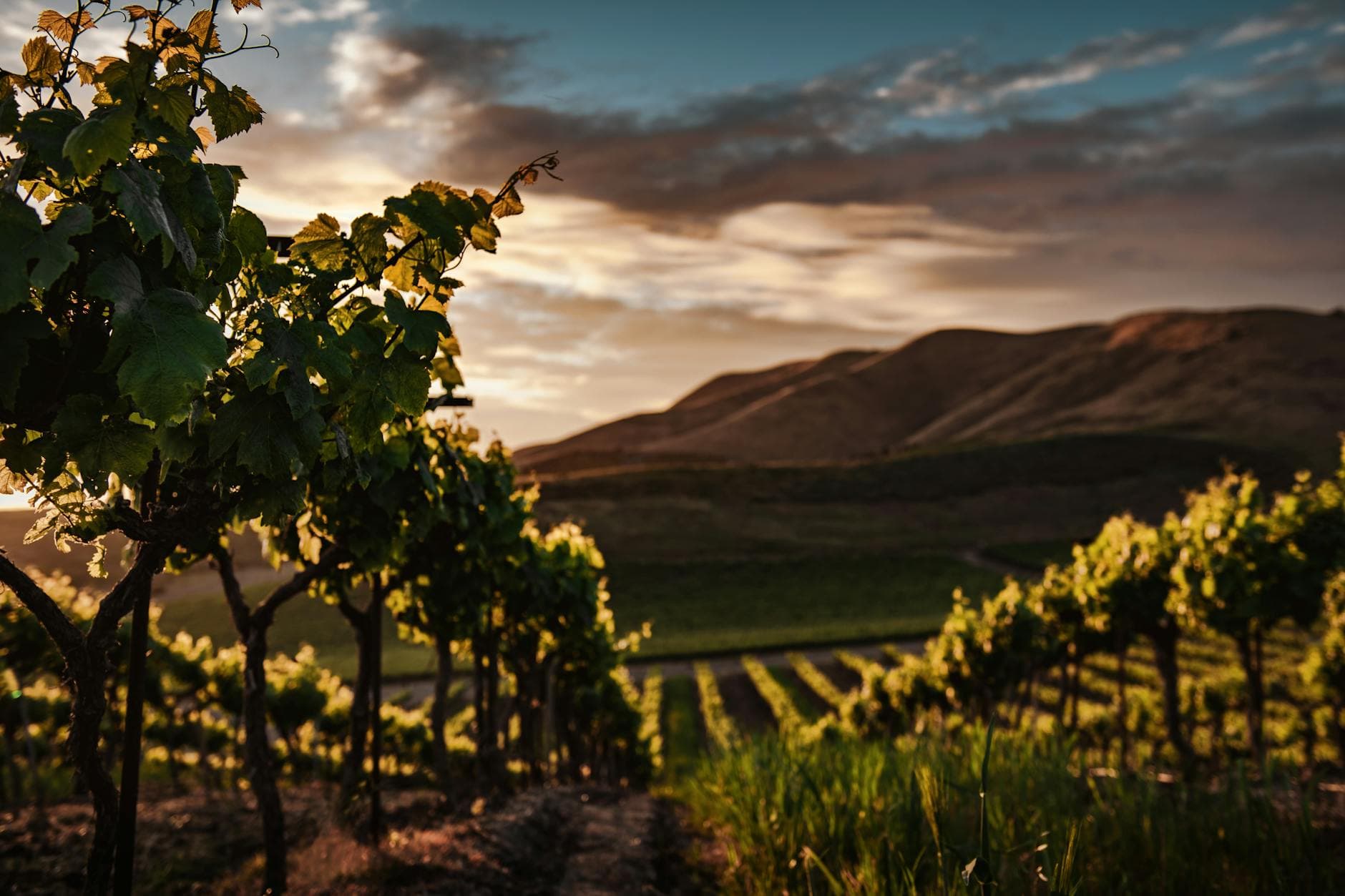
12 Best Wineries to Visit in Sonoma County
The best wineries to visit in Sonoma County in 2026, from legendary Pinot Noir producers to stunning Russian River Valley estates. Tasting fees, tips, and what to expect.
12 Best Wineries to Visit in Sonoma County (2026 Guide)
Sonoma County is twice the size of Napa Valley with roughly the same number of wineries, spread across 18 distinct AVAs. That geographic range translates directly into wine diversity --- cool-climate Pinot Noir from the Russian River Valley, old-vine Zinfandel from Dry Creek Valley, concentrated Cabernet Sauvignon from Alexander Valley, and sparkling wine from the fog-cooled Green Valley.
The result is a wine region that rewards exploration more than any other in California. Sonoma doesn't have Napa's polish or its price tags, and that's precisely the point. Tastings here tend to be more personal, more affordable, and more focused on the wine itself than on the architecture or the photo opportunity.
This guide covers 12 wineries that represent the best of what Sonoma does. Each one earns its spot through the quality of the tasting experience --- the wines, the people pouring them, and the sense of place you walk away with.
Whether you're planning your first wine trip or you've already tasted your way through Napa Valley and want something different, Sonoma will change your expectations of California wine.
What to Know Before Visiting Sonoma Wineries
Before booking your first appointment, here's what matters for tasting in Sonoma County in 2026:
- Reservations are recommended but not always required. Many Sonoma wineries still accept walk-ins, especially midweek. That said, the most popular estates (Williams Selyem, Flowers) require appointments booked weeks ahead. Call the morning of your visit if you're hoping to drop in somewhere.
- Tasting fees range from $25 to $75. Significantly less than Napa. Budget $30-50 per person per winery as a realistic average. Fee waivers with purchase are more common here than across the county line.
- Distances between wineries are real. Sonoma County covers 1,768 square miles. Driving from the town of Sonoma to the northern end of Dry Creek Valley takes 45 minutes without traffic. Pick a sub-region for each day and stay focused rather than zigzagging across the county.
- Three to four wineries per day is the sweet spot. With longer drive times between stops, budget 75-90 minutes at each winery plus transit. See our wine tour planning guide for help structuring your day.
- Designate a driver or book transport. DUI enforcement is strict throughout Sonoma County. Hire a driver, book a tour, or bike the flat stretches of Dry Creek Valley and Westside Road.
- Dress casually. Sonoma skews more relaxed than Napa. Clean jeans, comfortable shoes, and layers for morning fog are standard. See our wine tasting dress code guide for details, and our what to pack for wine country guide for a full packing list.
1. Williams Selyem (Russian River Valley)
Known for: Pinot Noir, Chardonnay
Why visit: The winery that proved Russian River Valley could produce Pinot Noir to rival Burgundy. Burt Williams and Ed Selyem started making wine in a garage in 1981, built their reputation entirely through word of mouth, and never advertised. The mailing list had a multi-year waitlist at its peak. Under current winemaker Jeff Mangahas, the single-vineyard program continues to set the standard for California Pinot Noir.
The experience: Tastings take place at their modern gravity-flow winery on Westside Road. You'll try five to six current releases, typically including their Sonoma Coast, Russian River Valley, and one or two single-vineyard Pinot Noirs. The differences between sites separated by just a few miles are striking --- this is terroir made tangible. The Rochioli Riverblock and Hirsch Vineyard bottlings are regularly among the top Pinot Noirs produced in America.
Best for: Pinot Noir enthusiasts, serious wine collectors, anyone who wants to understand why Russian River Valley matters.
Tasting fee: $50-75
Reservations: Required. Book 3-4 weeks ahead. Weekend availability is extremely limited.
Website: williamsselyem.com
2. Ridge Vineyards --- Lytton Springs (Dry Creek Valley)
Known for: Zinfandel, Petite Sirah, Carignane (field blends)
Why visit: Ridge is one of California's most respected producers, and their Lytton Springs property is home to some of the oldest Zinfandel vines in the state --- some planted in the early 1900s. While their Monte Bello Cabernet (from the Santa Cruz Mountains) gets most of the critical attention, the Lytton Springs wines are where Ridge's philosophy of minimal intervention and old-vine character is most accessible.

The experience: The tasting room sits on a hilltop with views across Dry Creek Valley. You'll work through several vineyard-designate Zinfandel blends and see how Ridge's approach --- natural yeast fermentation, American oak, no fining or filtering --- produces wines with a transparency that most modern Zinfandels lack. The labels list every ingredient and process used, a level of transparency that remains rare in the industry. The Lytton Springs bottling itself is a field blend of Zinfandel, Petite Sirah, and Carignane from vines averaging 50+ years old.
Best for: Wine nerds who appreciate winemaking philosophy, Zinfandel lovers, anyone interested in old-vine wines.
Tasting fee: $25-45
Reservations: Recommended. Walk-ins sometimes available midweek.
Website: ridgewine.com
3. Flowers Vineyards & Winery (Sonoma Coast)
Known for: Pinot Noir, Chardonnay
Why visit: Flowers farms some of the most extreme vineyard sites in Sonoma. Their estate vineyards sit at 1,400 feet above the Pacific Ocean on the true Sonoma Coast, where fog, wind, and cool temperatures push the vines to their limits. Walt and Joan Flowers planted here in 1991 when most people thought the location was too cold and too remote for serious viticulture. The wines proved otherwise.
The experience: Tastings at their Healdsburg salon include five to six wines from their estate and sourced vineyards. The Chardonnay here is lean, bright, and almost Chablis-like --- a world away from the rich, oaky California stereotype. Their Camp Meeting Ridge Pinot Noir is one of the most distinctive wines in the county, with a savory, mineral-driven character that reflects the coastal extremes. Staff are well-trained and genuinely enthusiastic about explaining how altitude and ocean proximity shape the fruit.
Best for: Chardonnay skeptics, fans of cool-climate wines, anyone who wants to taste what the Sonoma Coast is capable of at its best.
Tasting fee: $55-80
Reservations: Required.
Website: flowerswinery.com
4. Jordan Vineyard & Winery (Alexander Valley)
Known for: Cabernet Sauvignon, Chardonnay
Why visit: Jordan's chateau --- modeled after a French country estate --- sits on 1,200 acres in the Alexander Valley. The winery has been producing one Cabernet Sauvignon and one Chardonnay since 1972. That deliberate simplicity is rare in a region where most producers chase variety. The Cabernet is consistently elegant, structured, and built for the dinner table rather than the scoring sheet.
The experience: The Estate Tour & Tasting includes a walk through the barrel room, a visit to the hilltop overlooking the estate, and a seated tasting paired with small bites from their executive chef. Jordan treats the tasting as a full hospitality experience --- you'll spend 90 minutes to two hours on the property. The grounds include olive trees, gardens, and a hilltop vista point that is one of the finest views in Sonoma County.
Best for: People who appreciate hospitality, Bordeaux-style Cabernet fans, couples, anyone wanting a polished experience without Napa pricing.
Tasting fee: $55-80
Reservations: Required. Book 2-3 weeks ahead.
Website: jordanwinery.com
5. Hartford Family Winery (Russian River Valley)
Known for: Pinot Noir, old-vine Zinfandel, Chardonnay
Why visit: Hartford is part of the Jackson Family Wines portfolio, but it operates with the focus and care of a small producer. Winemaker Jeff Mangahas (who also makes the wines at Williams Selyem) sources from exceptional vineyard sites across the Russian River Valley, Anderson Valley, and Sonoma Coast, producing single-vineyard wines that consistently over-deliver for the price.

The experience: The tasting in their Forestville tasting room is intimate and unhurried. You'll taste through five to six wines, typically including their Far Coast Vineyard Pinot Noir (from the extreme Sonoma Coast) and their Highwire Vineyard Zinfandel (from 100+ year-old vines in Russian River). The old-vine Zinfandels are the sleeper hits --- concentrated, spicy, and entirely unlike mass-market Zin. The Chardonnays from cooler sites show real restraint and focus.
Best for: Value seekers, anyone wanting to taste across multiple Sonoma sub-regions in one stop, old-vine Zinfandel fans.
Tasting fee: $35-50
Reservations: Recommended.
Website: hartfordwines.com
6. Gary Farrell Vineyards & Winery (Russian River Valley)
Known for: Pinot Noir, Chardonnay
Why visit: Perched on a ridge above the Russian River Valley, Gary Farrell's tasting room offers one of the best views in Sonoma wine country. The winery was founded in 1982 and built its reputation on precise, site-driven Pinot Noir that balances fruit, acidity, and structure. Under winemaker Theresa Heredia, the wines have become even more focused and terroir-expressive.
The experience: The Elevation Tasting is a seated experience on the terrace overlooking the valley. You'll taste four to five single-vineyard Pinot Noirs and Chardonnays, with the staff walking you through each vineyard's characteristics. Their Hallberg Vineyard Pinot Noir is a standout --- silky, complex, with a red-fruit purity that shows what Russian River does at its best. The Rochioli Vineyard Chardonnay is equally impressive.
Best for: People who want serious wine and a spectacular setting without the Napa price tag, Pinot Noir comparisons across vineyards.
Tasting fee: $45-70
Reservations: Required.
Website: garyfarrellwinery.com
7. Dry Creek Vineyard (Dry Creek Valley)
Known for: Sauvignon Blanc (Fume Blanc), Zinfandel, Cabernet Sauvignon
Why visit: Founded by David Stare in 1972, Dry Creek Vineyard was the first new winery in Dry Creek Valley after Prohibition. Stare introduced Sauvignon Blanc to the region --- a grape nobody else was planting at the time --- and the winery's Fume Blanc remains one of California's best examples of the variety. The estate also produces excellent Zinfandel from old-vine blocks in the valley.
The experience: The tasting room has a warm, welcoming feel --- picnic tables under the trees, a bocce court, and staff who genuinely enjoy talking about wine without pretension. The Fume Blanc is a revelation if you've only had New Zealand Sauvignon Blanc --- rounder, more textured, with stone fruit and citrus rather than just grassiness. Their Heritage Vines Zinfandel (from vines planted in the 1920s) shows Dry Creek Valley's signature spice and bramble character.
Best for: Budget-conscious wine lovers, Sauvignon Blanc fans, anyone wanting a casual and authentic tasting experience.
Tasting fee: $25-40
Reservations: Walk-ins welcome most days. Reservations recommended on weekends.
Website: drycreekvineyard.com
8. Iron Horse Vineyards (Green Valley of Russian River Valley)
Known for: Sparkling wine (Brut, Blanc de Blancs, Rose), Pinot Noir, Chardonnay
Why visit: Iron Horse produces some of the finest sparkling wines in California from their estate in Green Valley --- the coolest sub-AVA within the Russian River Valley. Five US presidents have served Iron Horse at White House state functions. The winery's commitment to estate-grown, traditionally made sparkling wine is unmatched in Sonoma.

The experience: Tastings happen outdoors on a hilltop terrace with sweeping views of the estate vineyards rolling down toward the fog line. You'll work through a flight of sparkling wines --- the Brut Rose is excellent, and the Russian Cuvee (originally created for Reagan-Gorbachev summit meetings) is a house favorite. They also pour still Pinot Noir and Chardonnay. No tasting room walls --- everything happens outside, which makes this one of the most atmospheric wine experiences in Sonoma County.
Best for: Sparkling wine lovers, anyone wanting a relaxed outdoor experience, photographers.
Tasting fee: $35-55
Reservations: Required.
Website: ironhorsevineyards.com
9. Mauritson Wines (Dry Creek Valley)
Known for: Zinfandel, Cabernet Sauvignon, Petite Sirah
Why visit: The Mauritson family has been farming in Dry Creek Valley since 1868 --- six generations on the same land. They started selling wine under their own label in 1998, and their estate Zinfandels are now among the best in the valley. This is a family-run operation where you'll likely be served by someone with the last name Mauritson.
The experience: The tasting in their Rockpile Road tasting room is warm and personal. Their Rockpile Ridge Zinfandel, from vineyards at 1,600 feet on the steep Rockpile AVA, is the standout --- intense, concentrated, with a minerality that sets it apart from the softer valley-floor Zins. The Dry Creek Valley Cabernet Sauvignon is a strong secondary pour. Don't skip the Petite Sirah if it's on the list --- dark, chewy, and built for hearty food.
Best for: Anyone who values family-run wineries, Zinfandel enthusiasts, people interested in Sonoma's agricultural history.
Tasting fee: $30-45
Reservations: Recommended.
Website: mauritsonwines.com
10. Buena Vista Winery (Sonoma Valley)
Known for: Chardonnay, Pinot Noir, Cabernet Sauvignon, Syrah
Why visit: Buena Vista is California's oldest commercial winery, founded in 1857 by Agoston Haraszthy --- the man widely credited with importing European grape varieties to California. The original stone cellars are a California Historic Landmark. If you want to understand where California wine began, this is the literal starting point.
The experience: The Historic Reserve Tasting takes place in or near the original 1857 press house. You'll taste through their current releases while learning about the winery's role in establishing California as a serious wine-producing region. The wines are well-made and accessible across a broad range of varieties. The grounds --- including the old caves and vine-covered stone buildings --- are worth exploring even if you're not a history enthusiast.
Best for: Wine history enthusiasts, first-time Sonoma visitors, anyone who wants context for California winemaking.
Tasting fee: $35-55
Reservations: Recommended. Walk-ins often available, especially midweek.
Website: buenavistawinery.com
11. Bedrock Wine Co. (Sonoma Valley)
Known for: Old-vine Zinfandel, field blends, Syrah, heritage varieties
Why visit: Morgan Twain-Peterson, son of Ravenswood founder Joel Peterson, runs Bedrock with a mission to preserve Sonoma's oldest vineyards. Many of these century-old vineyards --- planted with mixed varieties in the pre-Prohibition style --- are being ripped out for housing developments or replanted with more profitable grapes. Bedrock's wines are a direct argument for why that should stop.

The experience: The tasting at their Sonoma tasting room covers their range of old-vine wines. The Bedrock Vineyard Heritage Red is the flagship --- a field blend from vines planted in 1888 that includes Zinfandel, Mourvedre, Syrah, Carignan, and a dozen other varieties all fermented together. The wine is layered, complex, and unlike anything produced by a single-variety approach. Ask about the Evangelho Vineyard Heritage (Contra Costa County, 130+ year-old vines) if it's available --- it's a window into what California wine tasted like before Prohibition.
Best for: Wine history geeks, anyone interested in heritage viticulture, people looking for something genuinely unique in California wine.
Tasting fee: $30-50
Reservations: Recommended.
Website: bedrockwineco.com
12. Patz & Hall (Sonoma)
Known for: Pinot Noir, Chardonnay
Why visit: Patz & Hall has been making vineyard-designate Pinot Noir and Chardonnay since 1988, sourcing from top growers across Sonoma County, Mendocino, and the Monterey coast. Their approach is Burgundian in philosophy --- let the vineyard speak, keep the winemaking transparent, and bottle each site separately so you can taste the differences.
The experience: The tasting at their Sonoma House is a seated, guided experience through five to six wines. The side-by-side vineyard comparisons are the highlight --- tasting their Dutton Ranch Chardonnay next to their Sonoma Coast Chardonnay makes the concept of terroir concrete rather than abstract. Their Hyde Vineyard Chardonnay (from Carneros) is one of California's finest white wines, and the Pisoni Vineyard Pinot Noir (Santa Lucia Highlands) shows remarkable depth and spice.
Best for: Serious wine students, Burgundy fans looking for California parallels, anyone who wants a structured education in how site affects flavor.
Tasting fee: $45-65
Reservations: Required.
Website: patzandhall.com
Planning Your Sonoma Winery Visits
Suggested Itineraries
Day 1 --- Russian River Valley (Pinot Noir Focus):
- Morning: Gary Farrell (terrace views, single-vineyard Pinot Noir)
- Late morning: Hartford Family Winery (old-vine Zinfandel + Pinot)
- Lunch: Backyard (Forestville --- seasonal, local ingredients)
- Afternoon: Williams Selyem (if you secured a reservation)
Day 2 --- Dry Creek Valley + Alexander Valley:
- Morning: Dry Creek Vineyard (Sauvignon Blanc, casual start)
- Late morning: Mauritson Wines (family-run Zinfandel)
- Lunch: Diavola Pizzeria (Geyserville --- wood-fired pizza)
- Afternoon: Jordan Vineyard & Winery (estate tour, paired bites)
Day 3 --- Sonoma Valley + History:
- Morning: Buena Vista (California's oldest winery)
- Late morning: Bedrock Wine Co. (old-vine field blends)
- Lunch: The Girl & The Fig (Sonoma Plaza)
- Afternoon: Patz & Hall (vineyard comparison tasting)
Where to Stay
Healdsburg is the best base for Dry Creek Valley and Alexander Valley wineries. The town of Sonoma works well for Sonoma Valley estates. Sebastopol and Forestville put you close to Russian River Valley producers. See our where to stay in Sonoma County guide for specific recommendations.
Getting Around
- Hire a driver: $350-500 per day for a private car. Split among four people, this is the most comfortable and safest option.
- Bike tours: Flat stretches of Dry Creek Valley and Westside Road in Russian River Valley are excellent for cycling between wineries. Several companies rent bikes and offer guided routes.
- Self-drive with designated driver: More practical in Sonoma than Napa if someone in the group is willing to skip the tastings or use the spit bucket faithfully.
- Rideshare: Works for individual wineries in Healdsburg and Sonoma town, but coverage is limited in northern Sonoma and the coast. Don't rely on it as your primary transport.
Budget Planning
| Expense | Per Person | Notes |
|---|---|---|
| Tasting fees (3-4 wineries) | $100-200 | Budget $30-50 per winery |
| Lunch | $20-50 | Casual to mid-range |
| Transportation | $90-125 | Split driver cost, or rideshare |
| Wine purchases | $40-200+ | Better value than Napa across the board |
| **Daily total** | **$250-575** | Per person, before accommodation |
Frequently Asked Questions
Q: What are the best wineries in Sonoma for first-time visitors?
A: Start with Buena Vista (history and context), Dry Creek Vineyard (casual, walk-in friendly, great Sauvignon Blanc), and Jordan (polished hospitality with food pairings). These three cover different sub-regions and wine styles without requiring expert-level knowledge to enjoy.
Q: Is Sonoma better than Napa for wine tasting?
A: Different, not better. Sonoma is more affordable, more casual, and offers wider grape variety diversity. Napa is more concentrated, more prestigious, and more polished. First-timers often prefer Napa for the famous names; repeat visitors tend to gravitate toward Sonoma for the value, variety, and less commercial atmosphere. Read our Napa Valley winery guide for comparison.
Q: Do I need reservations for Sonoma wineries?
A: It depends on the winery. Walk-ins are more common in Sonoma than Napa, especially midweek at places like Dry Creek Vineyard and Buena Vista. High-demand producers like Williams Selyem and Flowers require reservations booked weeks ahead. When in doubt, call the morning of your visit.
Q: What is Sonoma County best known for in terms of wine?
A: Pinot Noir from the Russian River Valley and Sonoma Coast, old-vine Zinfandel from Dry Creek Valley, and Cabernet Sauvignon from Alexander Valley. Sonoma also produces excellent sparkling wine (Iron Horse), Chardonnay, Sauvignon Blanc, and heritage field blends. No other California region matches Sonoma's range of grape varieties and wine styles.
Q: How much does wine tasting cost in Sonoma County?
A: $30-50 per person for a standard tasting in 2026. Premium seated experiences run $55-80. That's roughly 30-40% less than comparable Napa tastings. Many Sonoma wineries still waive the tasting fee with a wine purchase --- a practice that's become less common in Napa.
Q: When is the best time to visit Sonoma wineries?
A: September and October during harvest offer the most energy --- wineries are buzzing with activity and the weather is warm and dry. Spring (April-May) is beautiful with wildflowers, moderate temperatures, and fewer crowds. Summer gets hot inland but coastal areas stay cool. Winter is the quietest season, with lower prices, no crowds, and barrel tastings of the new vintage.
Q: Can I visit both Napa and Sonoma in the same trip?
A: Absolutely. The towns of Sonoma and Napa are about 30 minutes apart by car. Many visitors spend two days in one region and one to two days in the other. A combined trip gives you the full picture of California wine country --- Napa for Cabernet and polish, Sonoma for Pinot Noir, Zinfandel, and a more relaxed pace.
Q: How far is Sonoma from San Francisco?
A: The town of Sonoma is about 45 miles north of San Francisco, roughly a one-hour drive without traffic. Healdsburg (the hub for Russian River and Dry Creek Valley wineries) is about 70 miles north, approximately 90 minutes. Traffic on Highway 101 can add 30-60 minutes during commute hours, so leave San Francisco early.
Planning a full California wine country trip? Also read our best wineries in Napa Valley guide and where to stay in Sonoma County.
Ready to visit Sonoma County?
Build your personalised day-by-day itinerary — choose your travel style and trip length, get accommodation and tour picks per day, and email it to yourself to take along.
Upcoming Wine Festivals in United States
See all festivalsPassport to Dry Creek Valley
Apr 24
Healdsburg, United States
Sonoma County Wine Celebration
Sep 18
Healdsburg, United States
Wine & Food Affair
Nov 7
Healdsburg, United States
Wine Road Barrel Weekend
Mar 7
Healdsburg, United States
Winter WINEland
Jan 17
Healdsburg, United States
Taste of Sonoma
Jun 20
Santa Rosa, United States
Hidden Gems Nearby
Discover more hidden gemsPeay Vineyards
WTG PickSonoma County, United States
A 2-hour drive from San Francisco on winding roads with no signage — but the wines justify the pilgrimage. One of the few California producers whose Pinot Noir is consistently compared to top Burgundy in blind tastings.
Pinot Noir · Chardonnay · Syrah
Bedrock Wine Co.
WTG PickSonoma County, United States
The authority on California's forgotten grape heritage. Bedrock is recovering varieties most producers abandoned decades ago, and its Heirloom field blends offer flavours completely unlike anything else in Sonoma.
Zinfandel · Heritage field blends · Carignane
Hirsch Vineyards
Sonoma County, United States
One of the original Sonoma Coast pioneers, planted before the appellation existed. The vines on these cliff-edge slopes have 40+ years of root depth — the resulting wines have a complexity and site identity that newer coastal estates will take decades to match.
Pinot Noir · Chardonnay
Book Your Sonoma County Wine Country Stay
Compare hotels, vineyard B&Bs and rentals across Booking, Airbnb and more in one search.
Compare stays near the vineyardsStay22
Plan Your 12 Best Wineries to Visit in Sonoma County Trip
Estimate your 12 Best Wineries to Visit in Sonoma County trip cost
Budget calculator with accommodation, food, wine, and transport estimates.
Try itCompare 12 Best Wineries to Visit in Sonoma County with other regions
Side-by-side comparison of cost, climate, wine styles, and more.
Try itWhen to visit 12 Best Wineries to Visit in Sonoma County
Harvest dates, peak season, and the best months for wine travel.
Try itThis page contains affiliate links. We may earn a commission at no extra cost to you.