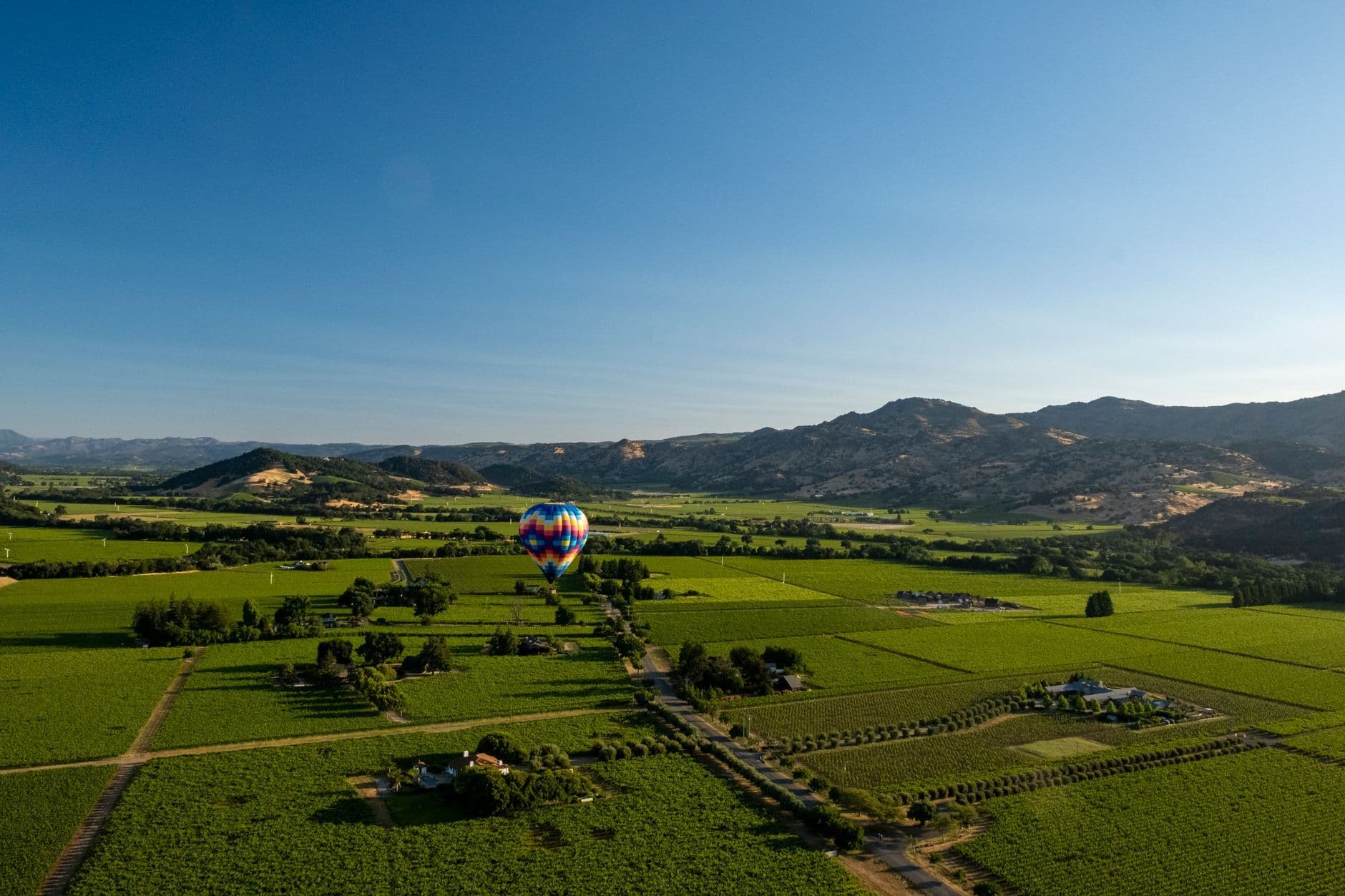
 Photo: Kelsey / Pexels
Napa Valley Wine Region Guide
Plan your Napa Valley wine trip — best visited Apr–May or harvest (Sep–Nov).
Where to Stay in Napa Valley
Make the most of your Napa Valley wine trip by staying in the heart of wine country. From luxurious vineyard estates to cozy B&Bs, find the perfect accommodation near world-class wineries.
Top areas to stay
- Yountville$$$
Fine dining capital — French Laundry, Bottega, walk to tasting rooms
- St. Helena$$$
Charming Main Street, central to top Cabernet producers
- Napa city$$-$$$
Downtown dining and nightlife, more affordable, Oxbow Market
Napa is expensive year-round; midweek visits are 20-30% cheaper. Reserve tasting rooms in advance.
We may earn a commission
Stay22
Compare Booking, Airbnb, Hotels.com and more in one search
Napa Valley operates at a different register from every other American wine region. Reservations are required at most châteaux-style properties, and the valley's 30-mile corridor produces some of the most expensive Cabernet Sauvignon on earth. None of that is a complaint — it's the deal you're signing up for, and if you go in with clear eyes it delivers. The infrastructure for wine tourism is exceptional: the roads are good, the restaurants are serious, and the wineries have spent decades figuring out how to host visitors who actually care.
This suits you if you want calibrated luxury, access to benchmark American wine, and a destination where food is taken as seriously as the bottles. It suits you less if you're on a tight budget, prefer spontaneous walk-in tastings, or want a region where you can pull over at a farm track and meet the winemaker. For that, look at Sonoma County, which shares the same Northern California geography but operates with far less formality and far lower sticker prices.
Against Bordeaux — the obvious comparison — Napa Cabernet is riper, more opulent, and considerably easier to access without planning months ahead. A week at a Médoc château requires introductions. The tasting experience itself is more visitor-oriented and, frankly, more fun.
Wine Regions & Appellations

The Napa Valley AVA contains a series of nested sub-appellations. The geography is simple: the valley runs roughly north–south, cooler at the southern end where San Pablo Bay pushes marine air through the Carneros gap, warmer at the northern end in Calistoga. Highway 29 runs along the valley floor on the western side; the Silverado Trail parallels it on the east, with smaller cross-streets connecting the two. Most visitors stick to the main corridor and miss the mountain appellations entirely — a mistake.
Oakville & Rutherford
The gravitational centre of Napa Cabernet. Oakville's deep, well-drained gravel soils produce wines with structure and longevity — Harlan Estate, Opus One, and Robert Mondavi are all here. Rutherford is known for the so-called 'Rutherford Dust' character in its Cabs: an earthiness that sets them apart from the fruit-forward wines further north. Beaulieu Vineyard's Georges de Latour is the benchmark. Top producers: Far Niente, Plumpjack, Nickel & Nickel.
Stags Leap District
On the eastern side of the valley, sheltered by the Stags Leap palisades. The volcanic soils produce Cabernets that are notably softer and more elegant than Oakville — less power, more finesse. Stag's Leap Wine Cellars (the 1976 Judgment of Paris winner) and Shafer Vineyards are both here. Shafer's Hillside Select is arguably the most desired Napa Cab short of Screaming Eagle: allocation-only.
Los Carneros
The southern entry point to Napa, shared with Sonoma County. The marine influence keeps temperatures 10–15°F cooler than Calistoga, making it the only part of the valley where Pinot Noir and Chardonnay are genuinely competitive with what you'd find further north. Domaine Carneros (a Taittinger property) makes sparkling wines and still Pinot; Etude is strong on Pinot.
Howell Mountain & Spring Mountain
Most first-timers ignore the mountain appellations. That's the opening. Howell Mountain (east ridge) and Spring Mountain (west ridge) sit above the fog line at 1,400–2,200 feet, producing Cabs with dramatic tannin structure and lower alcohol than valley floor wines. Dunn Vineyards (Howell Mountain) produces wines that age 20–30 years and taste adolescent at five — worth the patience. Spring Mountain Vineyard occupies a Victorian estate with terraced vineyards; tastings by appointment. These wines take another decade to open but reward anyone who understands that Napa Cab isn't only about immediate pleasure.
Grape Varieties

Cabernet Sauvignon is the reason people come to Napa. The style here runs richer and more opulent than in Bordeaux or Tuscany: cassis and blackcurrant lead, backed by cedar and dark chocolate, with tannins that are present but rarely aggressive. Oakville and Rutherford produce the most structured expressions; Calistoga runs hotter and yields wines with a plummy, almost chocolatey density. The icon wines are mostly sold via mailing list.
Chardonnay is the second most planted variety, concentrated in Carneros and the cooler southern reaches of the valley. Napa Chardonnay earned a reputation for heavy oak and excessive malolactic fermentation — the 'oaky butter bomb' criticism was fair for two decades. The better estates have pulled back significantly: look for producers like Kistler (occasionally Napa-sourced), Kongsgaard, and Araujo Estate for versions that balance texture with brightness. It pairs excellently with anything cream-based or with dungeness crab.
Merlot remains important in blends and as a standalone in Oakville, where it can achieve real complexity. Sauvignon Blanc is genuinely worth seeking out — Napa SB has a fuller body than Loire versions, with melon and grapefruit rather than grass, and makes a practical pairing wine for the valley's seafood-forward restaurant menus. Robert Mondavi's fumé blanc style (barrel-fermented SB) is the historical benchmark.
Tasting Room Guide
Napa's tasting culture runs on appointments. The majority of estates require reservations, and the top 50 or so (Harlan, Screaming Eagle, Dalla Valle) are mailing-list-only with waiting lists measured in years. The practical rule: book anything you actually want at least 4–6 weeks in advance, especially for harvest season (September–November) and summer weekends. Many estates waive the tasting fee if you purchase two or more bottles — worth asking.
Grand Estates
Far Niente in Oakville runs the definitive grand-estate experience: stone winery caves, and seated tastings of their Chardonnay and Cabernet. Stag's Leap Wine Cellars and Joseph Phelps (Insignia) in St. Helena are also grand-estate names.
Family Producers
V. Sattui Winery in St. Helena is genuinely family-owned and has a deli for picnics on the grounds. Truchard Vineyards in Carneros is family-farmed; their Roussanne is an underrated white. Raymond Vineyards in Rutherford has a tasting in their 'Temple of Wine' — theatrical but the wine backs it up. Book two weeks out for weekends.
Entry-Level & Walk-In
The Oxbow Wine Merchant in downtown Napa lets you taste from 30+ producers without leaving the city — making it the most practical entry point for first-timers before you commit to estate visits. Domaine Carneros (sparkling) takes reservations daily.
Under the radar: Ehlers Estate in St. Helena, is owned by a charitable foundation and offers seated tastings.
Best Time to Visit

Harvest runs September through early November and is the season most people target — golden light, the smell of fermenting grapes, crush activity visible at estates. Expect peak prices (hotels 30–50% above shoulder rates), mandatory reservations everywhere, and Highway 29 traffic on weekends. If harvest is the goal, go in the last two weeks of September when Cabernet is typically being picked and estate crush pads are genuinely active.
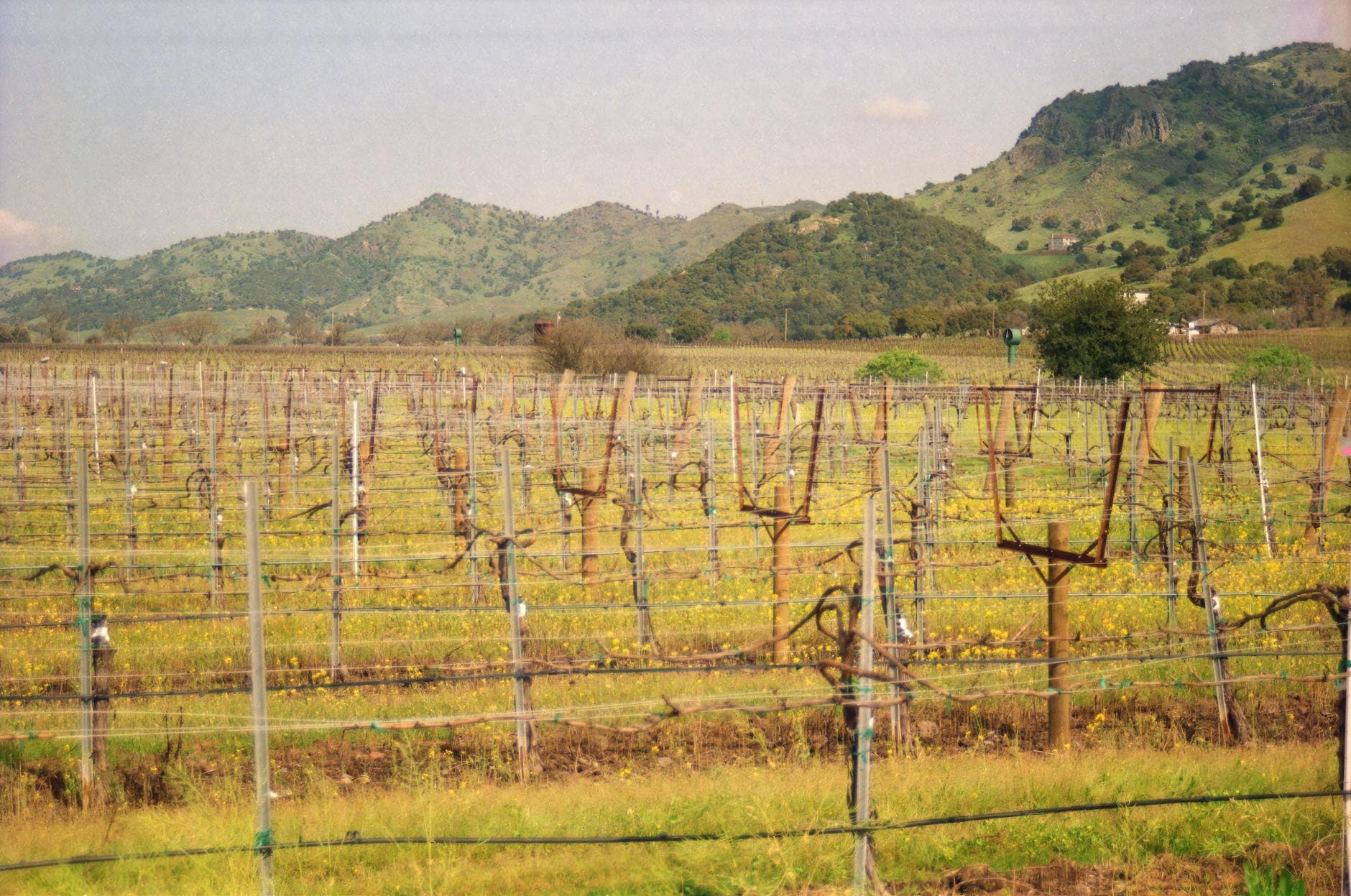
April and May are the best-kept-secret window. The mustard flowers (planted as cover crop between vines) bloom February–March and the vines are showing new growth by April. Temperatures are mild — 65–75°F (18–24°C) — crowds are 40% thinner than summer, and hotel rates drop noticeably. The trade-off is that no wine is being harvested, but if you're visiting to taste and explore rather than observe winemaking, spring is the correct answer.
June through August is peak tourist season — hot (90–100°F / 32–38°C in Calistoga), crowded, and expensive. The BottleRock music festival in late May bleeds into early summer traffic. Wine quality in the glass doesn't change, but the experience of waiting 45 minutes for a table at a Yountville bistro does. The contrarian month: January. Cold nights, occasional rain, but most wineries are actively blending that year's vintage, the best tasting room staff are present (not seasonal hires), and you can get a table at The French Laundry within two weeks.
Getting There & Around
Getting There
San Francisco International (SFO) is the primary gateway to Napa by car. Napa County Airport (APC) handles private aviation only. Car hire is available at both major airports; book in advance during harvest season as fleet supply tightens. The VINE bus system connects Napa city to BART, but it doesn't serve individual wineries — it's a city link, not a wine trail.
Getting Around
A car is effectively essential if you're visiting multiple estates in the same day. This creates an obvious problem: the region is built around alcohol consumption and requires you to drive between venues. The practical solutions are: appoint a non-drinking driver for the day, use a tour operator, or hire a car and driver. Cycling is feasible along the Silverado Trail on the eastern side, which is quieter than Highway 29 and passes estates with bike-rack-friendly setups; the flat valley floor is genuinely bikeable in spring and autumn but brutal in summer heat. California's drink-driving limit is 0.08% BAC — similar to the UK, lower than the wine being poured. Designated-driver services and wine tour shuttles can be booked through operators like Platypus Tours and Napa Valley Guided Tours.
Where to Stay
Accommodation is Napa's sharpest cost, and it polarises visitors more than any other line item. Staying in downtown Napa gives you access to restaurants and rideshares without driving. Staying mid-valley (Yountville, Oakville, Rutherford) puts you within walking or short cycling distance of several estates. Calistoga at the northern end has a more spa-resort character and lower midweek rates than Yountville.
Budget: The Calistoga Motor Lodge and Spa in Calistoga and Wine Valley Lodge in Napa city are lower-cost options. Check current rates with the hotel.
Mid-range: Andaz Napa in downtown has a rooftop bar and is within walking distance of the Oxbow Market. Solage Calistoga offers pool access. Napa River Inn sits next to the Oxbow Market. Check current rates with each hotel.
Luxury: Meadowood Napa Valley in St. Helena is a 250-acre estate with cottage rooms, five outdoor tennis courts and forested hillsides; its restaurant remains closed. Auberge du Soleil in Rutherford is known for its terrace views. Check current rates with each hotel.
Where to Eat
Serious: The Restaurant at Meadowood remains closed; the Meadowood estate team can secure a reservation at The Charter Oak in St. Helena, where Chef Christopher Kostow's cuisine is served. Auberge du Soleil's restaurant (Rutherford) is known for its terrace.
Local: Gott's Roadside (Yountville and St. Helena locations) is where winery staff actually eat lunch — ahi tuna burgers, good shakes, no reservations required. It's fast-casual in setting but locally-sourced in sourcing. The Bounty Hunter in downtown Napa is the most serious wine bar for tasting by the glass, with a rotating selection, good BBQ food, and a room that doesn't feel like a tourist trap.
Practical: Oxbow Public Market (downtown Napa) is the correct answer for lunch between tastings — it's a covered market with eight to ten food vendors, no reservations, and genuinely good: Hog Island Oyster, Three Twins for organic ice cream, Ca'Momi for Neapolitan pizza. The quality-to-hassle ratio is the best in the valley.
Practical Info
Daily budgets vary significantly with travel style. The cost calculator gives an estimate for a budget, mid-range or luxury day.
Tipping: 18–20% is standard at restaurants; many iPad payment systems now default to 20–25%. Tipping tasting room staff is not expected but always appreciated — a $5–$10 cash tip per group is appropriate if the host spent an hour with you. Tour operators include gratuity in their quoted rate, but confirm before booking.
Currency: USD. All estates accept credit cards; cash is rarely needed. Sales tax on wine purchased in California is 7.25–9.25% depending on county. Most estates offer flat-rate shipping to most US states ($25–$40 per case); shipping wine internationally is legally complex and usually not worth the effort.
The rookie mistake: booking six estate tastings in one day. Two is the correct number for a genuinely engaged visit; three is the maximum before palate fatigue renders everything academic. Most visitors discover this on day one and spend days two and three doing what they should have done all along — one morning tasting, lunch, an afternoon tasting, and dinner with one bottle from the day's purchases.
Getting There
SFO — San Francisco International
70min drive
BART from SFO to Oakland, then Napa Valley Wine Train (scenic/tourist only)
limitedCar rental recommended
Where to Eat
Californian — Wine Country
- $$$$
The French Laundry
fine dining
- $$$$
SingleThread
fine dining
Where to Stay in Napa Valley
- Yountville$$$
Fine dining capital — French Laundry, Bottega, walk to tasting rooms
- St. Helena$$$
Charming Main Street, central to top Cabernet producers
- Napa city$$-$$$
Downtown dining and nightlife, more affordable, Oxbow Market
Napa is expensive year-round; midweek visits are 20-30% cheaper. Reserve tasting rooms in advance.
Stay22
We may earn a commission
Tours & Experiences
Napa Valley, United States
Napa Valley Cabernet Sauvignon tour
Visit 3-4 premium wineries in Oakville, Rutherford, and Stags Leap
Napa Valley Wine Train experience
Gourmet lunch aboard a restored Pullman train through the valley
We may earn a commission
Wine Experiences
Visiting Wineries
Napa Valley requires advance booking for virtually all wineries following pandemic-era reservation policies. Most wineries are appointment-only, many requiring credit card holds. Walk-ins are rare and only possible at visitor-centre style operations.
Book ahead: 2–3 months for top estates · Top estates: Opus One: 2+ months. Screaming Eagle, Harlan Estate: not publicly open. Stag's Leap: 2–4 weeks.
Planning tools & local info
Getting There
SFO — San Francisco International
70min drive
BART from SFO to Oakland, then Napa Valley Wine Train (scenic/tourist only)
limitedCar rental recommended
Where to Eat
Californian — Wine Country
- $$$$
The French Laundry
fine dining
- $$$$
SingleThread
fine dining
Where to Stay in Napa Valley
- Yountville$$$
Fine dining capital — French Laundry, Bottega, walk to tasting rooms
- St. Helena$$$
Charming Main Street, central to top Cabernet producers
- Napa city$$-$$$
Downtown dining and nightlife, more affordable, Oxbow Market
Napa is expensive year-round; midweek visits are 20-30% cheaper. Reserve tasting rooms in advance.
Stay22
We may earn a commission
Tours & Experiences
Napa Valley, United States
Napa Valley Cabernet Sauvignon tour
Visit 3-4 premium wineries in Oakville, Rutherford, and Stags Leap
Napa Valley Wine Train experience
Gourmet lunch aboard a restored Pullman train through the valley
We may earn a commission
Wine Experiences
Visiting Wineries
Napa Valley requires advance booking for virtually all wineries following pandemic-era reservation policies. Most wineries are appointment-only, many requiring credit card holds. Walk-ins are rare and only possible at visitor-centre style operations.
Book ahead: 2–3 months for top estates · Top estates: Opus One: 2+ months. Screaming Eagle, Harlan Estate: not publicly open. Stag's Leap: 2–4 weeks.
Best Time to Visit Napa Valley
June-October
August-October
Very high year-round, extreme during harvest
Average Monthly High (°C)
Low (600mm/year, mostly winter)Wines of Napa Valley
Key grape varieties and wine styles produced in the region
Primary Grape Varieties
Wine Styles
Food & Dining in Napa Valley
Californian — Wine CountryMust-Try Dishes
- Farm-to-table seasonal tasting menus
- Oysters Rockefeller
- Wood-fired pizza
Where to Eat
- $$$$
The French Laundry
Thomas Keller's three Michelin star icon in Yountville, one of the world's most celebrated restaurants
- $$$$
SingleThread
Three Michelin stars in Healdsburg (Sonoma border), 11-course kaiseki-meets-California menu
The French Laundry: book exactly 2 months ahead via Tock. All fine dining needs reservations.
Where to stay in the vineyard
Sleep among the vines — our pick of vineyard hotels and estate stays in Napa Valley.
View Napa Valley vineyard hotelsUpcoming Wine Festivals in United States
See all festivalsNapa Valley Film Festival
The organiser says the festival returns in 2027
Napa, United States
Napa Valley Wine Train Harvest Experience
Sep
Napa, United States
Premiere Napa Valley
Feb
Napa, United States
Auction Napa Valley
Jun
St. Helena, United States
BottleRock Napa Valley
May
Napa, United States
Auction Napa Valley Weekend
Jun
St. Helena, United States
Hidden Gems Nearby
Discover more hidden gemsMontinore Estate
Willamette Valley, United States
America's largest Demeter-certified biodynamic estate, hiding in plain sight with Pinot Noir that punches way above its price.
Pinot Noir · Pinot Gris · Riesling
Ravines Wine Cellars
WTG PickFinger Lakes, United States
A French-trained winemaker producing America's most underrated Rieslings on a glacial lake that most wine lovers have never visited.
Riesling · Cabernet Franc · Pinot Noir
Barboursville Vineyards
Virginia, United States
Thomas Jefferson's vision of Virginia wine fulfilled — world-class Bordeaux blends and Italian varieties on a historic plantation most oenophiles overlook.
Bordeaux Blend · Vermentino · Nebbiolo
Continue Exploring
Explore Nearby
Did You Know?
We’re still gathering facts about Napa Valley. Tell us what makes it special
Ready to visit Napa Valley?
Build your personalised day-by-day itinerary — choose your travel style and trip length, get accommodation and tour picks per day, and email it to yourself to take along.
Plan Your Visit to Napa Valley
Tours & Experiences via GetYourGuide
We may earn a commission
This page contains affiliate links. We may earn a commission at no extra cost to you.