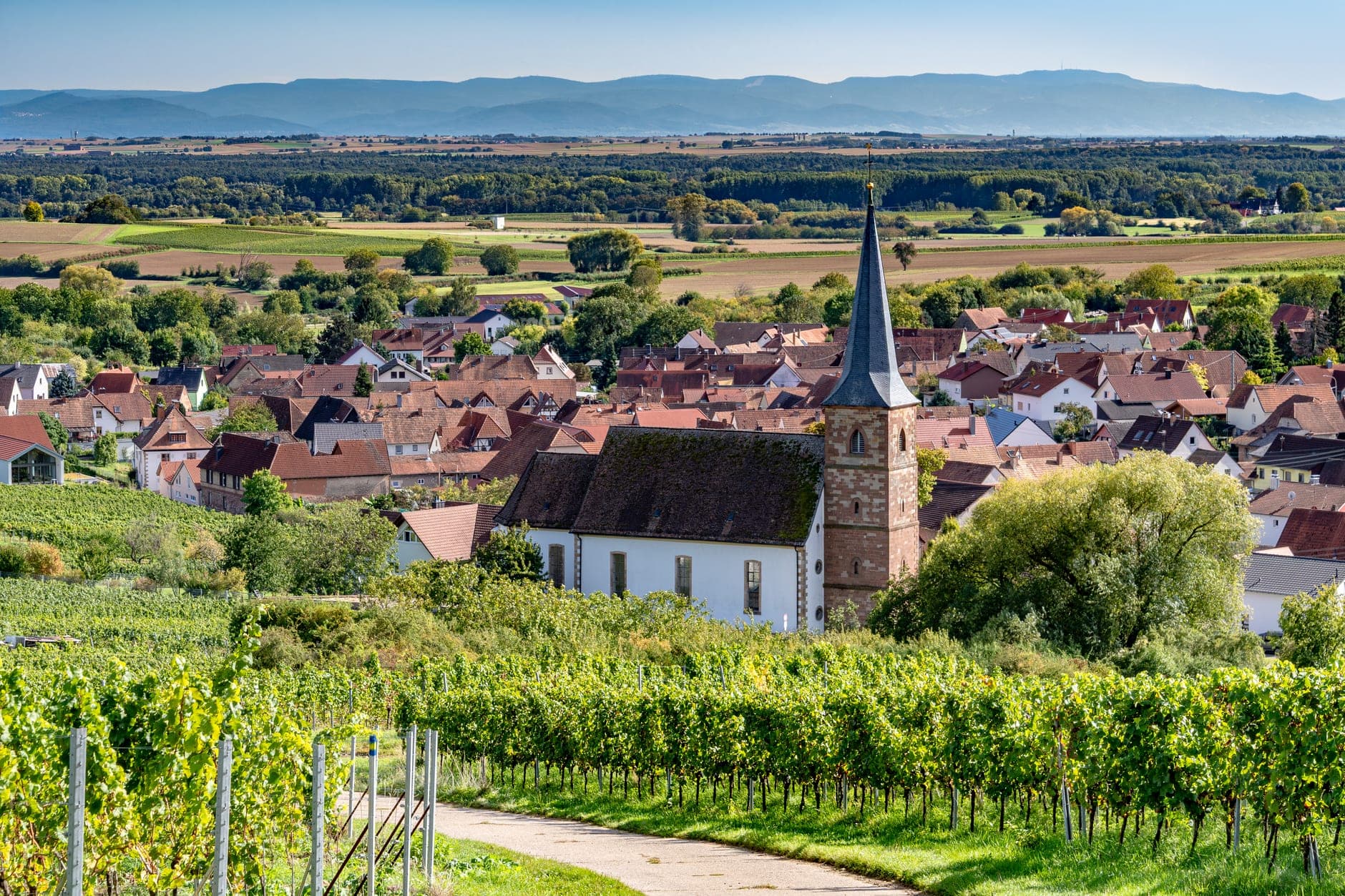
 Photo: Cro-Cop / Wikimedia Commons
Dalmatia Wine Region Guide
Dalmatia, a coastal region in Croatia, boasts a long history of winemaking dating back to ancient times. This stunning Mediterranean paradise offers wine enthus
Where to Stay in Dalmatia
Make the most of your Dalmatia wine trip by staying in the heart of wine country. From luxurious vineyard estates to cozy B&Bs, find the perfect accommodation near world-class wineries.
- Hotels near top wineries
- Charming vineyard B&Bs
- Vacation rentals and villas
- Free cancellation on most bookings
Stay22
Compare Booking, Airbnb, Hotels.com and more in one search
Discover Dalmatia's Rich Wine Heritage
Dalmatia, a coastal region in Croatia, boasts a long history of winemaking dating back to ancient times. This stunning Mediterranean paradise offers wine enthusiasts a unique blend of traditional and modern wine experiences against a backdrop of breathtaking landscapes.
Towns and Villages
Split, Dalmatia's largest city, serves as an excellent base for wine exploration. Don't miss the charming Trogir, a UNESCO World Heritage site with narrow streets and a vibrant wine scene.
Hvar island is renowned for its wine production, particularly around the villages of Jelsa and Svirče. The picturesque town of Primošten is famous for its unique vineyards, which grow on steep, rocky slopes.
Wine Producers
- Bibich Winery: Located near Skradin, known for innovative blends and traditional varieties
- Zlatan Otok: On Hvar island, produces excellent Plavac Mali wines
- Korta Katarina: In Orebić, offers stunning sea views and high-quality wines
- Miloš: Family-run winery in Pelješac, specializing in organic Plavac Mali
Accommodations
For a wine-focused stay, consider these options:
- Hotel Boskinac (Novalja): Boutique hotel with its own winery and restaurant
- Heritage Hotel Tragos (Trogir): Charming hotel in a 18th-century palace with a wine cellar
- Wine House Šimunović (Hvar): Family-run guesthouse surrounded by vineyards
Dining
Dalmatian cuisine pairs perfectly with local wines. Try these wine-friendly restaurants:
- Pelegrini (Šibenik): Michelin-starred restaurant with an extensive wine list
- Restaurant 360° (Dubrovnik): Fine dining with panoramic views and a sommelier-curated wine selection
- Konoba Boba (Murter): Traditional tavern offering local specialties and wines
Wine Shops & Bars
Explore Dalmatia's wine scene at these notable establishments:
- Paradox Wine & Cheese Bar (Split): Cozy spot offering a wide selection of Croatian wines
- D'vino Wine Bar (Dubrovnik): Intimate bar with over 100 wines by the glass
- Vino&Ino (Hvar): Charming wine bar featuring local and international wines
Other Shops
Pick up local specialties and souvenirs:
- Perivoj (Split): Gourmet shop with local wines, olive oils, and truffles
- Wine & More (Online): Extensive selection of Croatian wines available for delivery
- Natura Dalmatia (Zadar): Shop offering organic products and regional wines

Attractions
Complement your wine journey with these must-visit sites:
- Diocletian's Palace (Split): UNESCO World Heritage site with wine bars in ancient cellars
- Stari Grad Plain (Hvar): Ancient Greek agricultural landscape, still used for wine production
- Peljesac Peninsula: Home to some of Croatia's best vineyards and wineries
Events
Time your visit with these wine-centric events:
- Dubrovnik FestiWine (April): Showcases regional wines and hosts masterclasses
- Days of Open Wineries (Various dates): Wineries across Dalmatia open their doors to visitors
- Dalmacija Wine Expo (April/May): Large wine fair featuring producers from all over Croatia
Appellations
Dalmatia's wine regions include:
- Dingac: Known for powerful red wines from Plavac Mali grapes
- Kastela: Home to the indigenous Crljenak Kaštelanski (ancestor of Zinfandel)
- Komarna: Youngest wine region, producing high-quality reds and whites
Grape Varieties
Vine Cycle — Dalmatia
Full calendar →Dalmatia offers memorable harvest experiences during peak activity.
Dalmatia's wine scene is dominated by native grape varieties. Plavac Mali, a red grape, is the region's star, producing full-bodied wines with high alcohol content.
Other notable varieties include:
- Babić: A red grape known for its robust, tannic wines
- Pošip: A white grape producing aromatic, full-bodied wines
- Grk: A rare white variety found primarily on Korčula island
- Maraština: A white grape used in both dry and sweet wines
Main Wine Styles
Dalmatian wines are characterized by their boldness and complexity. The region's sun-drenched climate results in wines with high alcohol content and intense flavors.
Key wine styles include:
- Powerful reds: Made from Plavac Mali, often with notes of blackberry and Mediterranean herbs
- Crisp whites: Pošip-based wines with tropical fruit and mineral notes
- Rosés: Increasingly popular, often made from Plavac Mali
- Prošek: A traditional sweet dessert wine made from dried grapes

Food Specialties
Dalmatian cuisine is a blend of Mediterranean and Balkan influences, perfect for pairing with local wines. Fresh seafood is a staple, along with olive oil and herbs.
Must-try dishes include:
- Pašticada: A slow-cooked beef stew, ideal with Plavac Mali
- Crni rižot: Black risotto made with cuttlefish ink, pairs well with white wines
- Peka: Meat or octopus slow-cooked under a bell-shaped lid, great with robust reds
- Soparnik: A traditional savory pie, perfect with rosé wines
Drives & Walks
Explore Dalmatia's stunning landscapes and vineyards through scenic drives and walks. The Pelješac Peninsula offers breathtaking coastal routes and hillside vineyards.
Recommended routes:
- Dingač Wine Road: A winding coastal drive through Croatia's premier wine region
- Stari Grad Plain on Hvar: UNESCO-listed agricultural landscape with ancient Greek field system
- Korčula Island walks: Explore the birthplace of Pošip and Grk wines
- Krka National Park: Combine wine tasting with nature walks and waterfalls
Itineraries
Plan your Dalmatian wine adventure with these curated itineraries. Each combines wine experiences with cultural and natural attractions.
3-Day Wine Explorer
- Day 1: Split old town and Diocletian's Palace, evening wine tasting
- Day 2: Day trip to Hvar, visit Stari Grad Plain vineyards
- Day 3: Pelješac Peninsula wine tour, focusing on Dingač and Postup wines
7-Day Dalmatian Wine & Culture Immersion
- Days 1-2: Split and Trogir, local wine bars
- Days 3-4: Hvar and Vis islands, winery visits
- Day 5: Pelješac Peninsula wine tour
- Day 6: Korčula island, Grk wine tasting
- Day 7: Dubrovnik, farewell dinner with wine pairing
Getting There & Around
Dalmatia is easily accessible by air, sea, and land. Split Airport and Dubrovnik Airport are the main gateways, with frequent international flights.
- Ferries connect major islands to the mainland

- Rent a car for flexibility in exploring wine regions
- Bus networks link major towns and cities
- Consider hiring a private driver for wine tours
Best Time to Visit
Monthly Climate — Dalmatia
Full explorer →The ideal time to visit Dalmatia for wine enthusiasts is September to October. This period coincides with the grape harvest and offers pleasant weather for outdoor activities.
- Spring (April-May): Mild weather, fewer crowds
- Summer (June-August): Peak season, bustling atmosphere
- Fall (September-October): Harvest season, wine festivals
- Winter (November-March): Quiet, focus on cellaring and aged wines
Sustainability Efforts
Dalmatian winemakers are increasingly adopting sustainable practices. Many vineyards are moving towards organic and biodynamic farming methods.
- Eco-wineries: Look for certifications like "eko" or "bio"
- Water conservation: Drip irrigation systems are common
- Solar power: Some wineries use renewable energy
- Local grape varieties: Focus on indigenous grapes adapts to climate
Language Tips
While English is widely spoken in tourist areas, learning a few Croatian wine terms can enhance your experience.
- Vino: Wine
- Crno vino: Red wine
- Bijelo vino: White wine
- Na zdravlje: Cheers
- Vinarija: Winery
Further Resources
Expand your knowledge of Dalmatian wines with these resources:
- Croatian Wine Alliance: Comprehensive guide to Croatian wines
- Wines of Croatia: In-depth information on regions and varieties
- Dalmatia Wine Guide: Detailed maps and producer profiles
- Visit Croatia: Official tourism website with wine route information
Where to Eat
Croatian — Dalmatian
- €€€€
Restaurant 360° — Dubrovnik
fine dining
- €€€
Korta Katarina Winery — Orebić
winery restaurant
Visiting Wineries
Dalmatian wine tourism is growing rapidly. Plavac Mali producers on Hvar, Brač, and the Pelješac peninsula welcome visitors. Dingač and Postup wineries on Pelješac can be visited by ferry from Split or Dubrovnik. Top producers benefit from advance booking in summer.
Book ahead: 1 week in peak season
Planning tools & local info
Where to Eat
Croatian — Dalmatian
- €€€€
Restaurant 360° — Dubrovnik
fine dining
- €€€
Korta Katarina Winery — Orebić
winery restaurant
Visiting Wineries
Dalmatian wine tourism is growing rapidly. Plavac Mali producers on Hvar, Brač, and the Pelješac peninsula welcome visitors. Dingač and Postup wineries on Pelješac can be visited by ferry from Split or Dubrovnik. Top producers benefit from advance booking in summer.
Book ahead: 1 week in peak season
Explore Wine Regions in Dalmatia (Croatia)
Best Time to Visit Dalmatia
July-August
September-October
High on coast, low at wineries
Average Monthly High (°C)
Moderate (800mm/year)Wines of Dalmatia
Key grape varieties and wine styles produced in the region
Primary Grape Varieties
Wine Styles
Food & Dining in Dalmatia
Croatian — DalmatianMust-Try Dishes
- Peka (lamb or octopus under the bell)
- Prstaci (date mussels — now protected, ask for alternatives)
- Crni rižot (black squid ink risotto)
Where to Eat
- €€€€
Restaurant 360° — Dubrovnik
Dubrovnik's most acclaimed fine-dining restaurant on the city walls with Adriatic views and Croatian wine list
- €€€
Korta Katarina Winery — Orebić
Pelješac peninsula winery restaurant with Plavac Mali pairings and panoramic sea views toward Korčula
Summer (Jun–Sep) is extremely busy — book all restaurants in advance. Konobas are more flexible in shoulder season.
Upcoming Wine Festivals in Croatia
See all festivalsHidden Gems Nearby
Discover more hidden gemsContinue Exploring
Did You Know?
We’re still gathering facts about Dalmatia. Tell us what makes it special
Ready to visit Dalmatia?
Build your personalised day-by-day itinerary — choose your travel style and trip length, get accommodation and tour picks per day, and email it to yourself to take along.
Plan Your Visit to Dalmatia
This page contains affiliate links. We may earn a commission at no extra cost to you.